In today’s digital marketplace, simply having a website is not enough to compete. Businesses that want to grow online must ensure their websites are not only visually appealing but also technically optimized for search engines and users alike. This is where Technical SEO becomes a critical part of a successful digital strategy.
Technical SEO focuses on improving the infrastructure of your website so search engines can easily crawl, understand, and index your content. When done correctly, it creates a strong foundation that supports higher rankings, better user experiences, and ultimately more business growth.
What Is Technical SEO?
Technical SEO refers to the process of optimizing the backend structure and technical elements of a website to improve its visibility in search engines.
While traditional SEO focuses on keywords and content, technical SEO ensures that search engines can properly access, interpret, and rank your website.
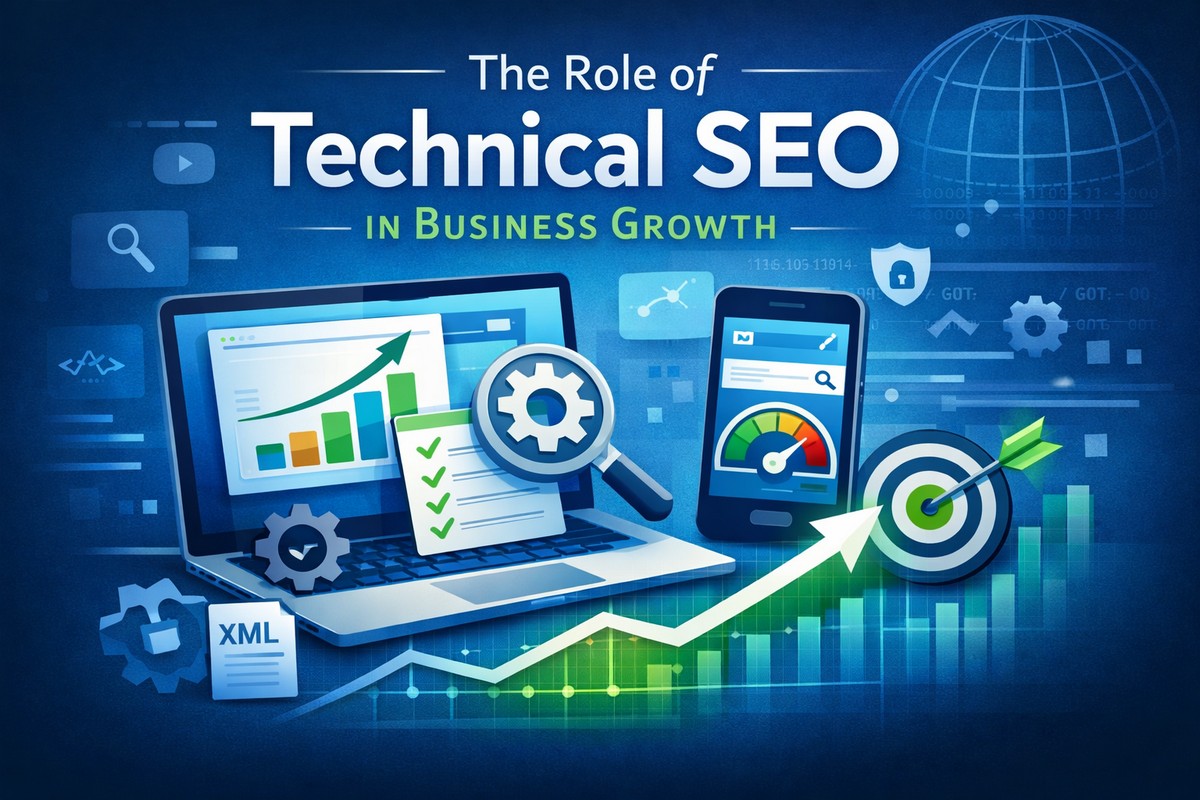
Some of the most important elements of technical SEO include:
- Website speed and performance
- Mobile-friendliness
- Secure connections (HTTPS)
- Structured data and schema markup
- Proper indexing and crawlability
- Clean site architecture
- XML sitemaps
- Fixing broken links and errors
When these technical elements work correctly, search engines can easily understand your website, which improves your chances of ranking higher in search results.
Why Technical SEO Matters for Business Growth
Technical SEO is often overlooked because it happens behind the scenes. However, it directly impacts your website’s ability to attract and convert visitors.
Here are several ways technical SEO contributes to business growth.
1. Improved Search Engine Visibility
Search engines rely on crawlers to explore and index websites. If your site has technical issues such as broken links, duplicate content, or poor site structure, it can prevent search engines from properly indexing your pages.
Technical SEO ensures that your website is fully accessible to search engines, helping your content rank for relevant searches and bringing more potential customers to your business.
2. Faster Website Performance
Website speed is a major ranking factor and a critical component of user experience.
Research consistently shows that slow websites lead to:
- Higher bounce rates
- Lower engagement
- Lost sales opportunities
Technical SEO helps improve performance by optimizing:
- Image sizes
- Code efficiency
- Server response time
- Caching systems
A faster website keeps visitors engaged and increases the likelihood they will convert into customers.
3. Better Mobile Experience
With mobile devices accounting for the majority of internet traffic, search engines prioritize mobile-first indexing. This means Google primarily evaluates the mobile version of your website when determining rankings.
Technical SEO ensures your website:
- Is responsive across devices
- Loads quickly on mobile networks
- Maintains usability and readability on smaller screens
A strong mobile experience improves both rankings and user satisfaction.
4. Stronger Website Security
Security is another key factor that affects both search rankings and customer trust.
Websites that use HTTPS encryption protect user data and signal credibility to search engines and visitors. Technical SEO ensures your website maintains secure protocols and protects against vulnerabilities.
A secure website helps build trust with potential customers, which can positively impact conversions and brand reputation.
5. Improved Website Structure and Navigation
A well-organized website helps both users and search engines navigate your content efficiently.
Technical SEO focuses on building a clear and logical site structure, which improves:
- Internal linking
- Page discoverability
- User navigation
- Crawl efficiency
When visitors can easily find what they’re looking for, they are more likely to stay on your site and engage with your business.
6. Enhanced Search Results with Structured Data
Structured data, also known as schema markup, helps search engines understand the context of your content. This can lead to enhanced search results, including:
- Rich snippets
- Star ratings
- FAQs
- Product information
These enhanced results can increase click-through rates and drive more qualified traffic to your website.
Common Technical SEO Issues That Hold Businesses Back
Many businesses unknowingly struggle with technical issues that limit their online visibility. Some of the most common problems include:
- Slow loading pages
- Broken links and 404 errors
- Duplicate content
- Missing meta tags
- Poor mobile optimization
- Improper redirects
- Unoptimized images
- Lack of structured data
Regular technical SEO audits help identify and fix these issues before they negatively impact performance.
How Technical SEO Supports Long-Term Growth
Unlike paid advertising, which stops generating traffic once campaigns end, technical SEO provides long-term benefits.
When your website is technically optimized, it creates a stable foundation that supports:
- Content marketing
- organic search visibility
- lead generation
- brand credibility
- improved conversion rates
This foundation allows businesses to scale their digital marketing efforts more effectively and achieve sustainable growth.
Final Thoughts
Technical SEO may operate behind the scenes, but its impact on business growth is significant. Without a technically sound website, even the best content and marketing strategies can struggle to succeed.
By focusing on website performance, structure, security, and crawlability, businesses can create a digital presence that not only ranks well in search engines but also delivers a better experience for users.
For companies looking to grow online, technical SEO is not optional—it is essential. Investing in the technical health of your website today helps ensure stronger visibility, higher traffic, and greater opportunities for growth in the future.