The digital world never stands still. New technologies, user behaviors, and design standards can change overnight, leaving websites that felt cutting-edge suddenly outdated. To stay ahead, businesses need to think beyond short-term trends and build websites that can adapt to whatever comes next. Future-proofing your website isn’t about predicting the exact next big shift—it’s about creating a flexible, resilient foundation that keeps your online presence relevant for years to come.
1. Build on a Scalable Framework
Your website’s framework is its backbone. Choosing a modern, scalable platform—such as WordPress with flexible themes, or a headless CMS like Contentful—makes it easier to integrate new features, connect with APIs, or expand functionality. A scalable structure ensures you won’t need a total rebuild when new tools or integrations become essential.
2. Prioritize Performance and Speed
Website speed isn’t just a ranking factor for search engines; it’s a key part of user experience. As new devices, 5G networks, and even AI-driven browsing tools become mainstream, fast-loading websites will have the edge. Use lightweight code, optimize images, and consider implementing CDNs to deliver content quickly across the globe.
3. Embrace Responsive and Adaptive Design
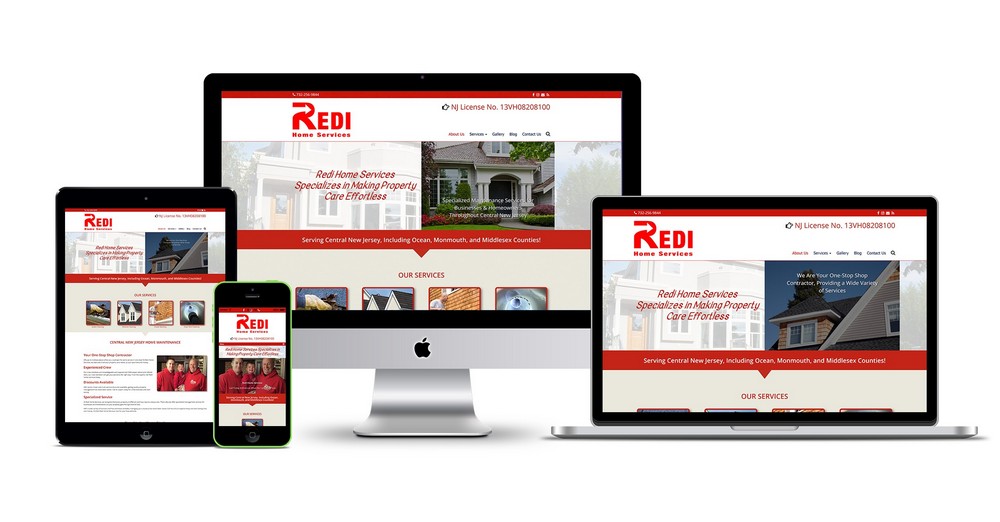
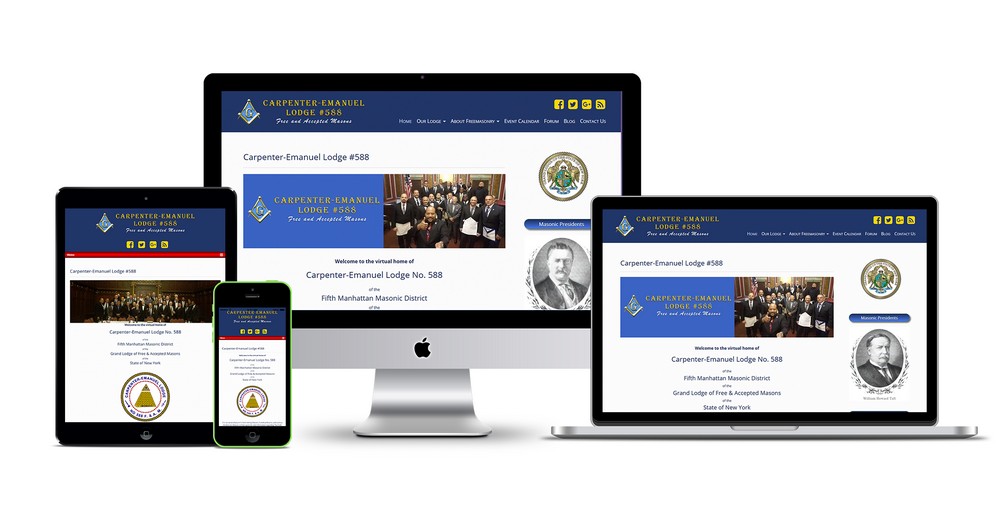
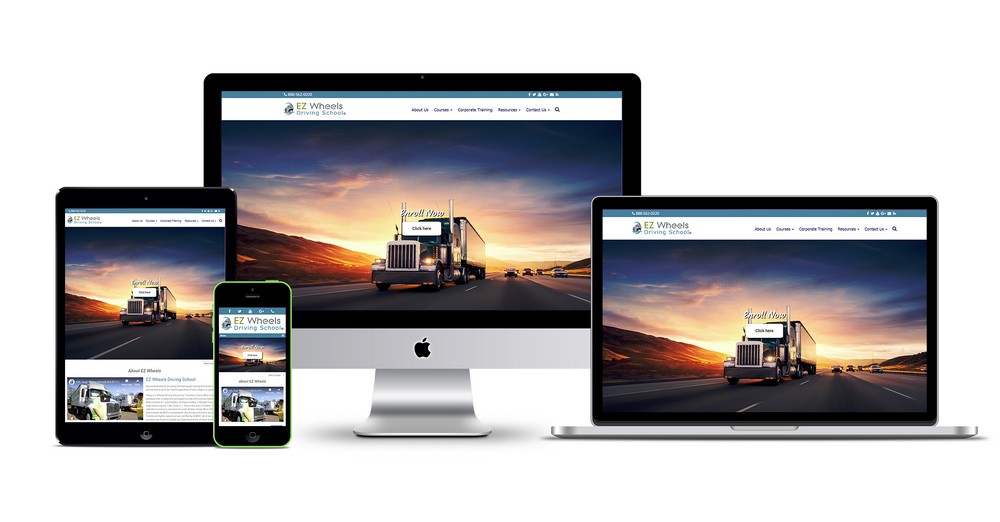
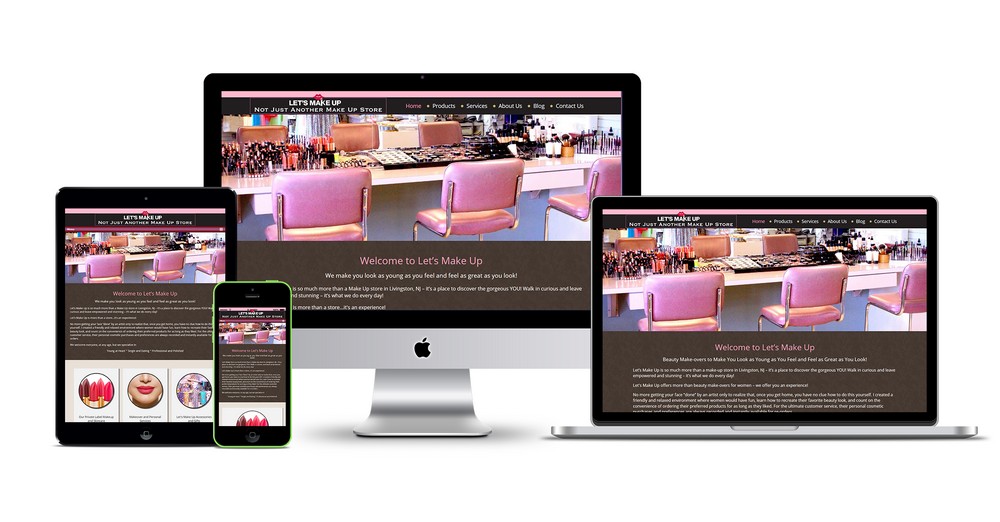
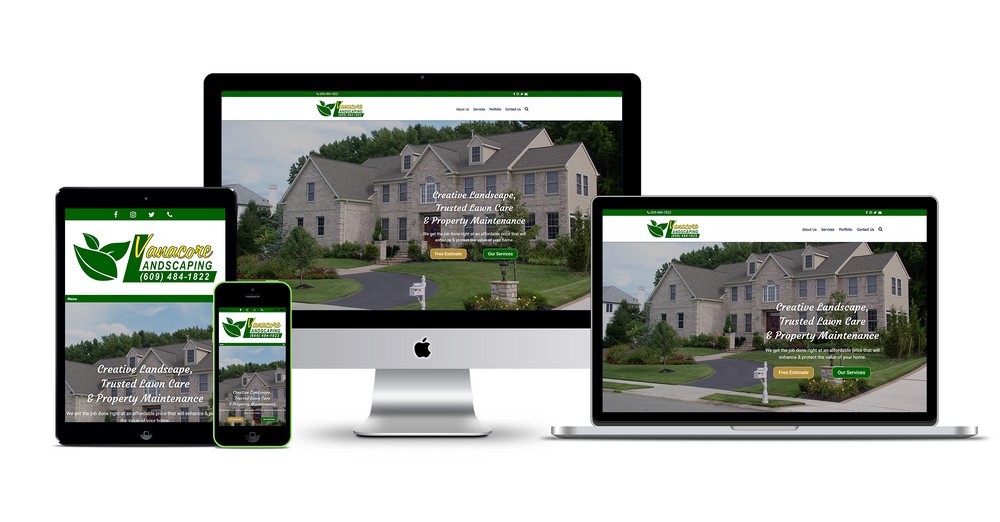
Mobile-first design is no longer optional. With users accessing websites across desktops, tablets, phones, and even smart TVs, your site should adapt seamlessly to any screen. Future-proofing means considering not just today’s devices, but tomorrow’s—think wearables, AR/VR headsets, and beyond. Flexible design ensures your content always looks its best.
4. Keep Accessibility at the Core
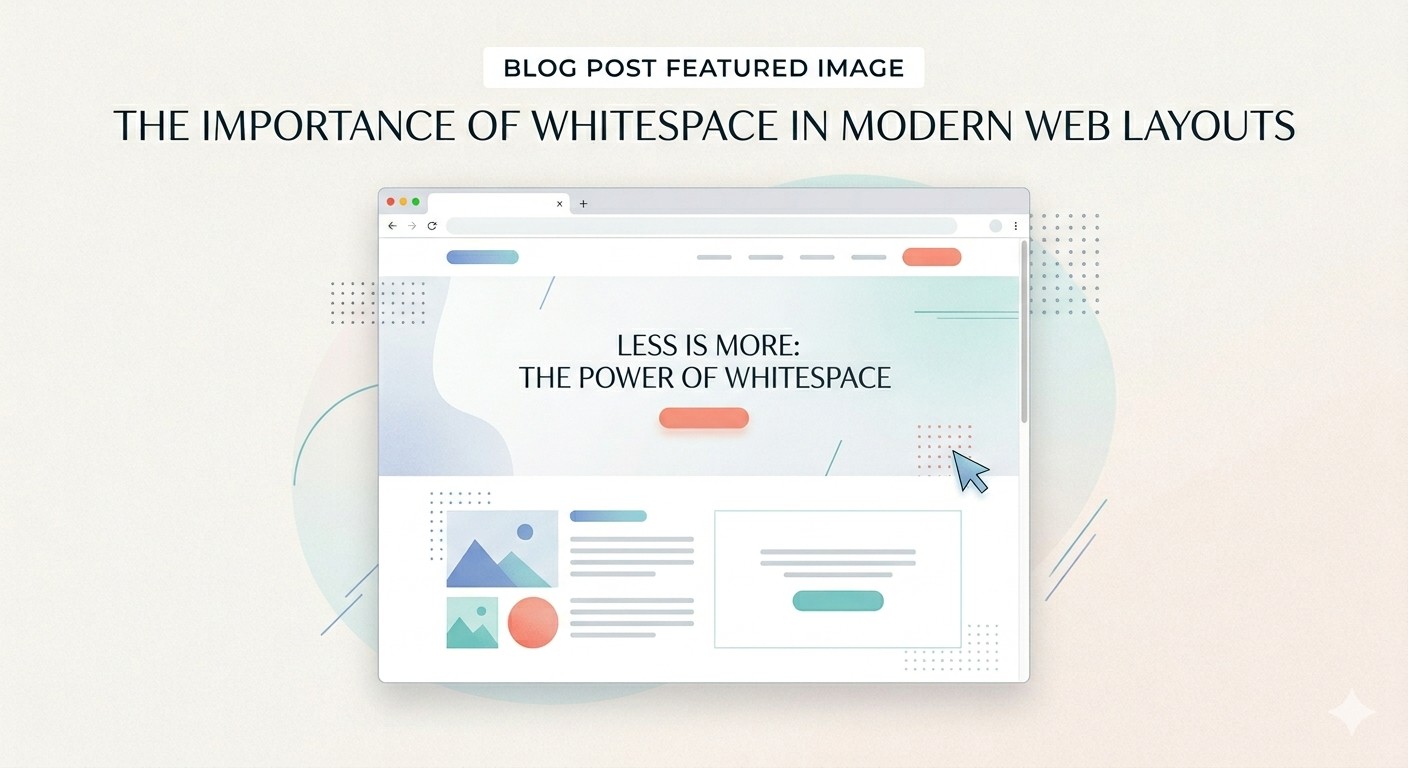
Accessibility isn’t just a compliance checkbox; it’s a competitive advantage. As global standards evolve, accessible websites that serve all users—including those with disabilities—will rank higher, perform better, and connect with wider audiences. Future-proofing here means designing with inclusivity in mind from the start.
5. Optimize for Search Beyond Keywords
SEO is shifting from keyword-heavy strategies to intent-based and conversational search. With AI-driven search engines and voice assistants gaining traction, optimizing your website for natural language, structured data, and semantic search is key. Schema markup and well-organized content will help your site stay visible no matter how search evolves.
6. Integrate AI and Automation Thoughtfully
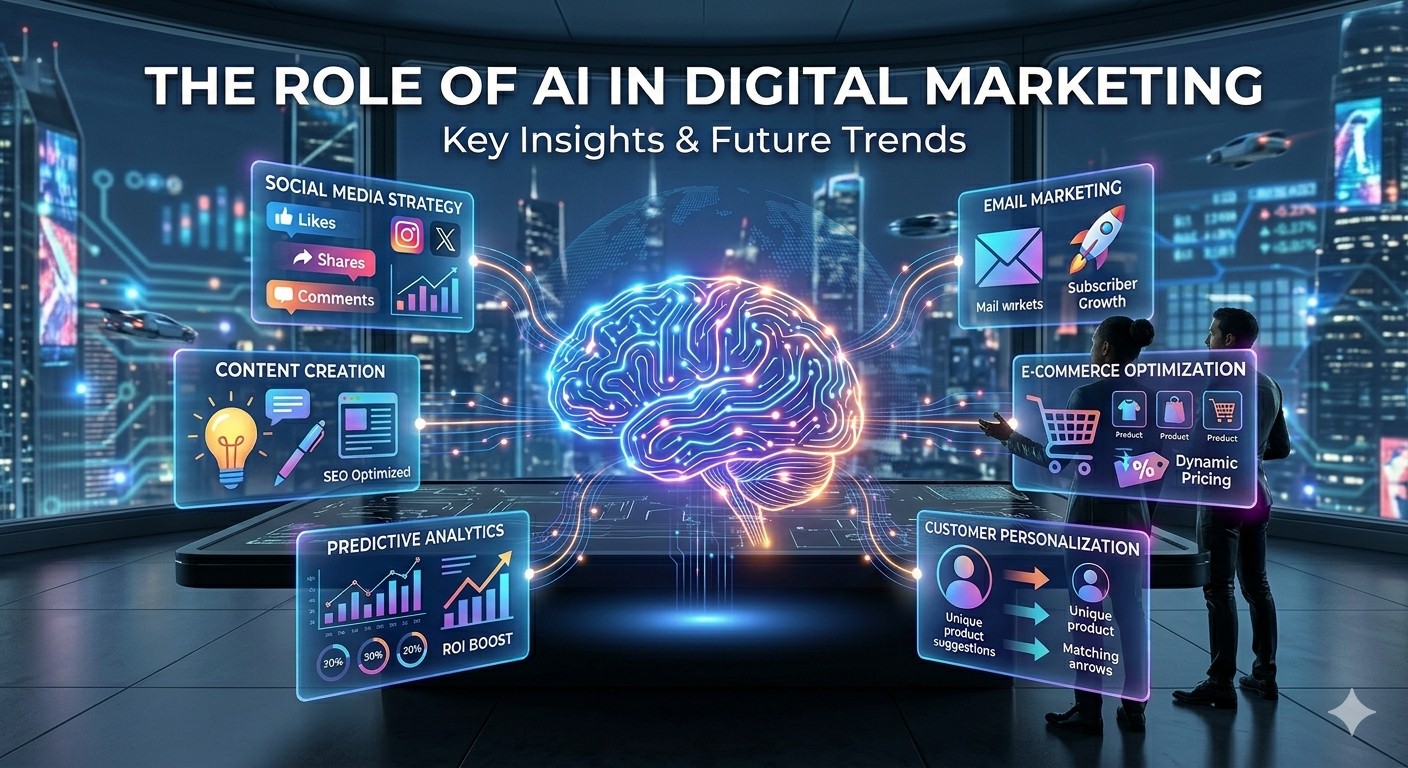
AI isn’t just hype—it’s reshaping digital experiences. Chatbots, personalized recommendations, predictive analytics, and automated content updates are already mainstream. Designing your website with room for AI integrations ensures you can quickly adopt emerging tools that improve customer experience without requiring a total overhaul.
7. Stay Flexible with Content Strategy
Content is the lifeblood of your website, but the formats people consume are changing fast. From short-form videos to interactive tools, being flexible with your content strategy ensures you can experiment with new formats without breaking your site’s structure. A modular CMS can make content more adaptable across platforms.
8. Regularly Audit and Update
Future-proofing isn’t a one-time project—it’s an ongoing process. Schedule regular audits to evaluate performance, security, accessibility, and design trends. By keeping your site updated, you’ll be better positioned to embrace the next big shift rather than scrambling to catch up.
Final Thoughts
The digital landscape will continue to evolve, but the businesses that thrive are those that build adaptable, forward-looking websites. By focusing on scalability, performance, accessibility, and emerging technologies, you can create a site that not only meets today’s needs but is ready for whatever tomorrow brings.