In today’s digital landscape, your website is often the first impression potential customers have of your brand. With countless businesses competing for attention online, having an attractive website isn’t enough — it must be strategic, user-focused, and built to convert.
Whether you’re launching a new site or improving an existing one, smart web design can help your business rise above the noise. Here are essential web design tips to help you stand out in a competitive market.
1. Prioritize User Experience (UX)
A beautiful website means nothing if visitors can’t easily navigate it. User experience should always come first.
Focus on:
- Simple and intuitive navigation
- Clear page hierarchy
- Logical content flow
- Easy access to key information
When users can quickly find what they need, they’re more likely to stay, engage, and convert.
2. Design With Your Target Audience in Mind
Your website shouldn’t be designed for everyone — it should be designed for your ideal customer.
Consider:
- Their goals and pain points
- Their browsing habits
- Their expectations from your industry
A law firm, ecommerce store, and local service business all require very different design approaches. Tailoring your design builds trust and relevance instantly.
3. Use Strong Visual Branding
Consistent branding helps your business look professional and memorable.
Make sure your website includes:
- A cohesive color palette
- Consistent typography
- High-quality imagery
- Clear brand voice
Strong visual branding helps visitors recognize your business and differentiates you from competitors using generic templates.
4. Optimize for Mobile First
More than half of all website traffic comes from mobile devices. If your site doesn’t perform well on smartphones, you’re losing potential customers.
Mobile-friendly design includes:
- Responsive layouts
- Readable text without zooming
- Clickable buttons with proper spacing
- Fast load times
Google also prioritizes mobile-friendly websites in search rankings, making this essential for SEO.
5. Focus on Page Speed
Slow websites kill conversions. Even a one-second delay can significantly increase bounce rates.
Improve speed by:
- Compressing images
- Using modern file formats
- Reducing unnecessary plugins
- Implementing caching
A faster website provides a better user experience and improves search engine visibility.
6. Create Clear Calls to Action (CTAs)
Every page on your website should guide visitors toward a next step.
Effective CTAs should:
- Be visually noticeable
- Use action-driven language
- Clearly communicate value
Examples include:
- “Request a Free Quote”
- “Schedule a Consultation”
- “Get Started Today”
Clear CTAs turn passive visitors into leads.
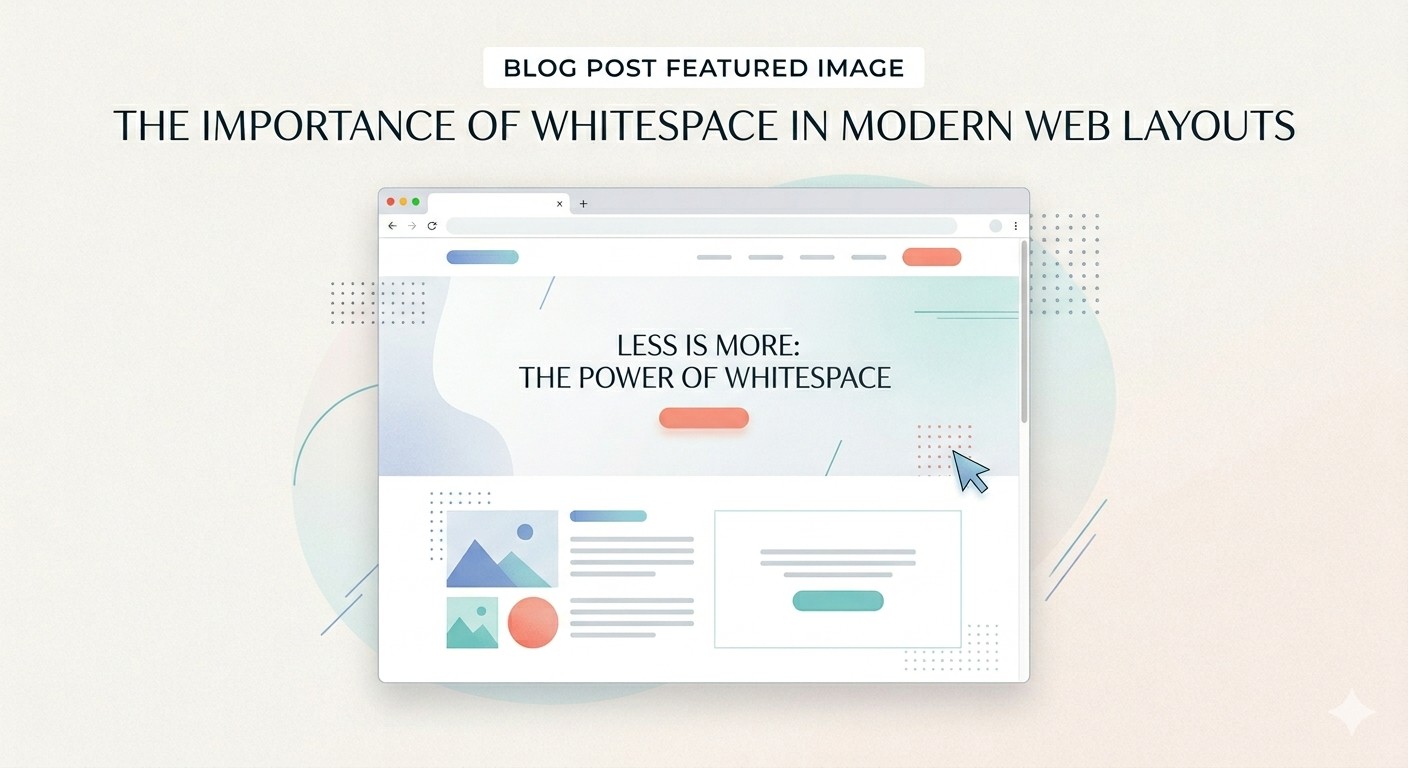
7. Use White Space Strategically
Cluttered websites overwhelm users and dilute your message.
White space helps:
- Improve readability
- Highlight important content
- Create a modern, professional look
Less clutter leads to more focus — and better conversions.
8. Showcase Social Proof
Trust is a major factor in decision-making. Including social proof can dramatically improve credibility.
Consider adding:
- Client testimonials
- Reviews
- Case studies
- Trust badges or certifications
Seeing real results from real customers reassures visitors that your business delivers value.
9. Design With SEO in Mind
Web design and SEO should work together, not separately.
SEO-friendly design includes:
- Clean site structure
- Fast-loading pages
- Optimized headings
- Accessible design elements
A well-designed website supports better rankings and long-term organic traffic growth.
10. Keep Your Design Updated
Design trends, technology, and user expectations evolve constantly. An outdated website can make your business appear behind the times.
Regular updates help you:
- Maintain credibility
- Improve performance
- Stay competitive
Refreshing your design every few years ensures your brand remains modern and relevant.
Final Thoughts
Standing out in a competitive market requires more than just an attractive website. Strategic web design blends aesthetics, usability, branding, and performance into one seamless experience.
By focusing on user experience, clarity, speed, and trust, your website can become one of your strongest marketing tools — not just a digital brochure.
If your website isn’t helping you generate leads or build credibility, it may be time for a redesign.