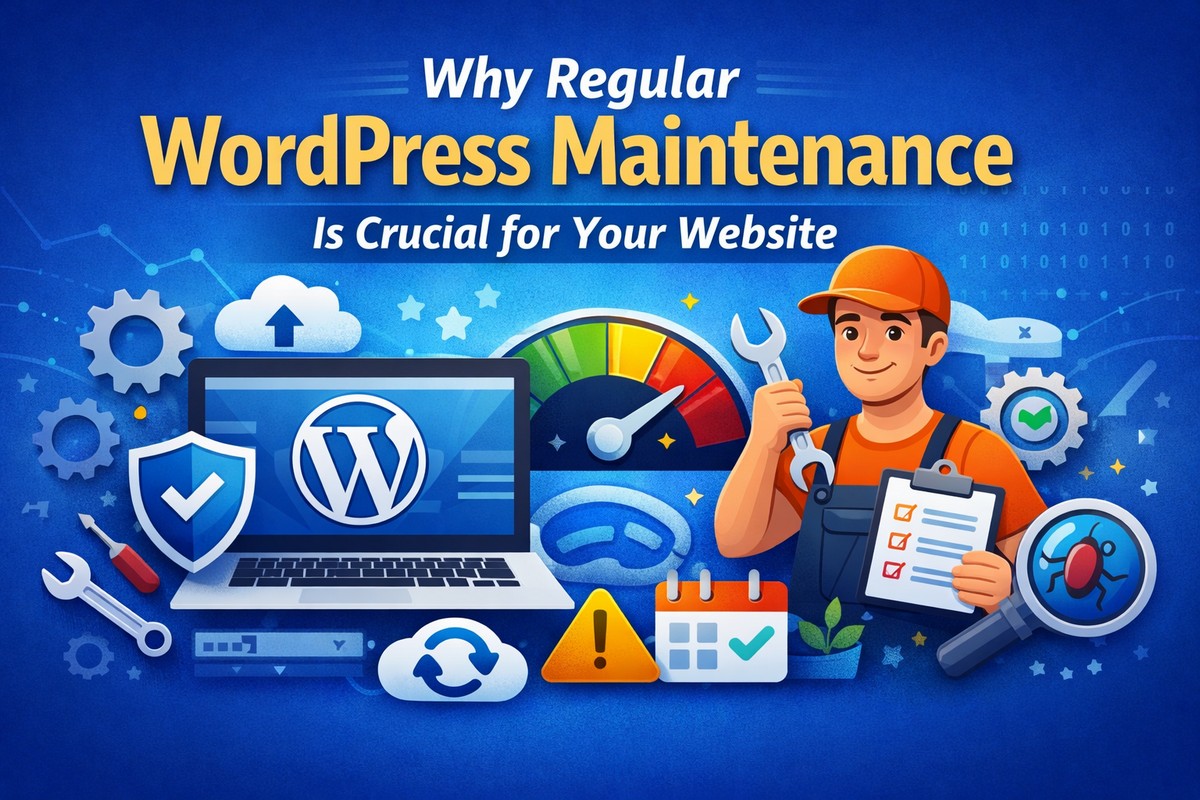
WordPress powers over 40% of all websites on the internet—and for good reason. It’s flexible, scalable, and user-friendly. But many website owners make a costly mistake: they launch their site and then forget about ongoing maintenance.
Just like a car needs regular servicing to run smoothly, your WordPress website requires consistent maintenance to stay secure, fast, and fully functional. Ignoring it can lead to security breaches, poor performance, and lost revenue. Let’s explore why regular WordPress maintenance is not optional—but essential.
1. Protect Your Website from Security Threats
WordPress is a popular target for hackers simply because of its widespread use. Outdated plugins, themes, or core files create vulnerabilities that attackers can exploit.
Regular maintenance helps by:
- Installing security updates and patches
- Monitoring for malware and suspicious activity
- Fixing vulnerabilities before they’re exploited
A hacked website can result in lost customer trust, SEO penalties, and expensive recovery costs. Preventive maintenance is far cheaper—and safer—than damage control.
2. Keep Your Website Running Fast and Smooth
Website speed plays a critical role in user experience and search engine rankings. Over time, unused plugins, bloated databases, and outdated code can slow your site down.
Ongoing maintenance includes:
- Database optimization
- Removing unused themes and plugins
- Performance testing and speed improvements
A faster website leads to lower bounce rates, higher engagement, and better conversion rates.
3. Ensure Compatibility After Updates
WordPress regularly releases updates for its core software, themes, and plugins. While updates are necessary, they can sometimes cause conflicts if not properly managed.
Maintenance ensures:
- Plugins and themes remain compatible
- Updates are tested before going live
- Broken layouts or features are fixed quickly
Without proper oversight, a simple update could break your website—or take it offline entirely.
4. Improve SEO and Search Rankings
Search engines favor websites that are secure, fast, and regularly updated. Neglecting maintenance can lead to broken links, slow load times, or security warnings—all of which hurt your SEO performance.
Regular WordPress maintenance supports SEO by:
- Fixing crawl errors and broken links
- Improving page speed
- Ensuring mobile responsiveness
- Maintaining secure HTTPS connections
A well-maintained website sends positive signals to search engines and helps you stay competitive.
5. Reduce Downtime and Unexpected Failures
Websites can crash due to server issues, plugin conflicts, or corrupted files. Without backups or monitoring in place, downtime can last hours—or even days.
Maintenance plans typically include:
- Automated backups
- Uptime monitoring
- Quick restoration in case of failure
This minimizes disruptions and ensures your site is always available to visitors.
6. Enhance User Experience and Conversions
A broken form, outdated content, or malfunctioning checkout process can drive visitors away instantly. Regular maintenance ensures everything works exactly as intended.
Benefits include:
- Smooth navigation
- Functional contact forms
- Secure payment processing
- Up-to-date content and features
When users have a seamless experience, they’re more likely to trust your brand and take action.
7. Save Time and Money in the Long Run
Many website owners avoid maintenance to save money—but this often leads to bigger, more expensive problems later.
Regular maintenance helps you:
- Avoid emergency repair costs
- Prevent data loss
- Extend the life of your website
- Focus on growing your business instead of fixing issues
Think of maintenance as an investment, not an expense.
Final Thoughts
Your WordPress website is one of your most valuable digital assets. Regular maintenance keeps it secure, fast, and optimized for both users and search engines. Whether you handle maintenance yourself or partner with a professional service, staying proactive is key to long-term success.
If your website is critical to your business, WordPress maintenance isn’t optional—it’s essential.