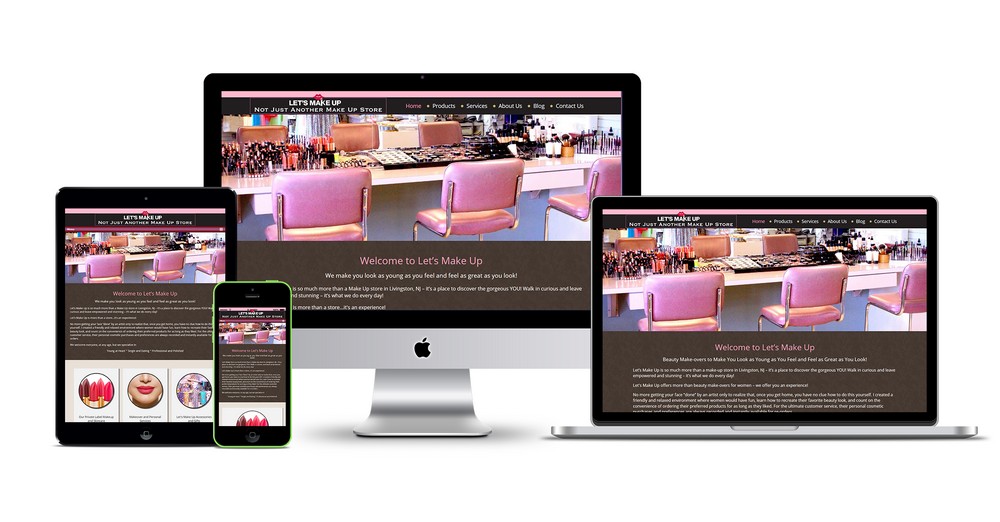

In today’s digital-first world, users expect seamless, intuitive, and visually engaging experiences. A product has only seconds to make a positive impression — and often, that impression determines whether a visitor becomes a loyal customer or abandons your platform altogether.
For design teams, mastering the core principles of UX/UI design is not just about aesthetics. It’s about creating meaningful interactions that guide users effortlessly while supporting business goals. Whether you’re building a website, mobile app, or enterprise platform, these foundational principles can elevate your design strategy and deliver measurable results.
1. User-Centered Design Comes First
Successful design begins with understanding the people you are designing for. User-centered design focuses on solving real problems by aligning functionality with user needs, behaviors, and expectations.
Design teams should invest time in user research, personas, journey mapping, and usability testing. When decisions are guided by data instead of assumptions, products become easier to navigate and more satisfying to use.
Key takeaway:
Ask not “What looks best?” but “What helps the user succeed fastest?”
User-focused products consistently deliver higher engagement, stronger retention, and greater brand trust.
2. Clarity Always Beats Complexity
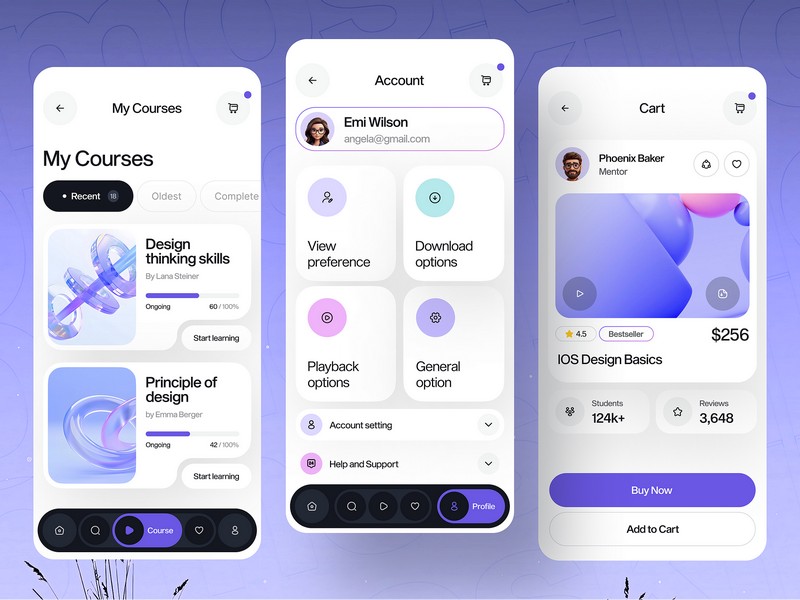
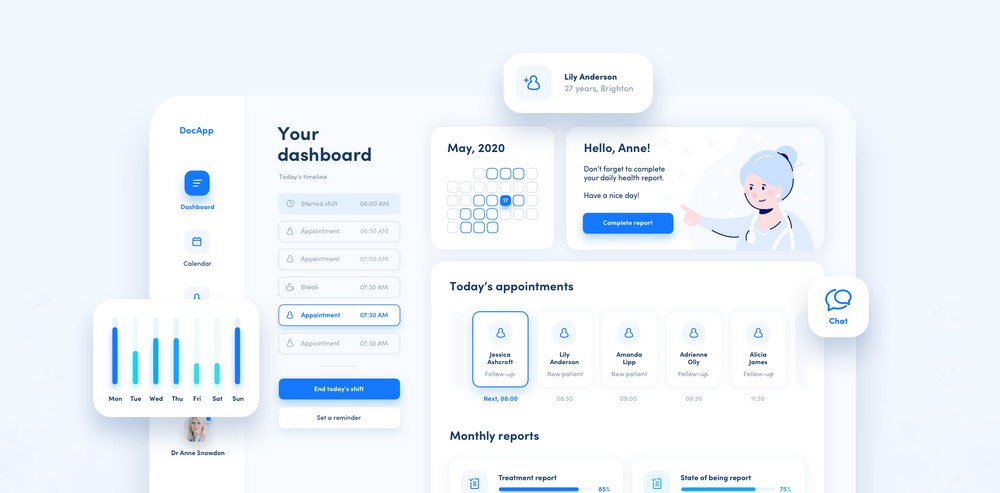
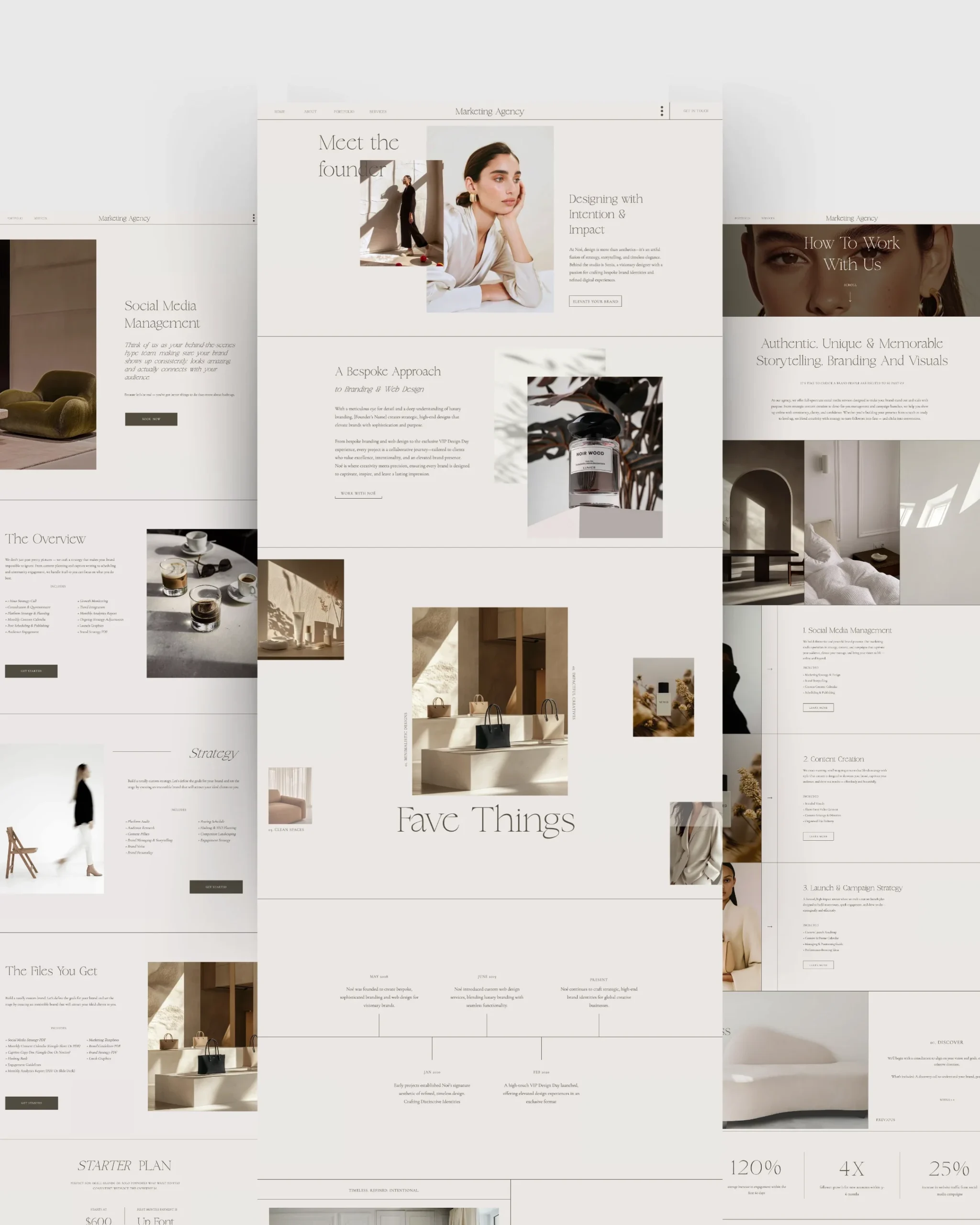
A common mistake in digital design is trying to do too much at once. Overcrowded layouts, excessive color palettes, and unnecessary features create friction that pushes users away.
Instead, prioritize clarity.
Every element on the screen should serve a purpose. Remove distractions and focus on guiding users toward their goals with minimal effort.
Ways to simplify your design:
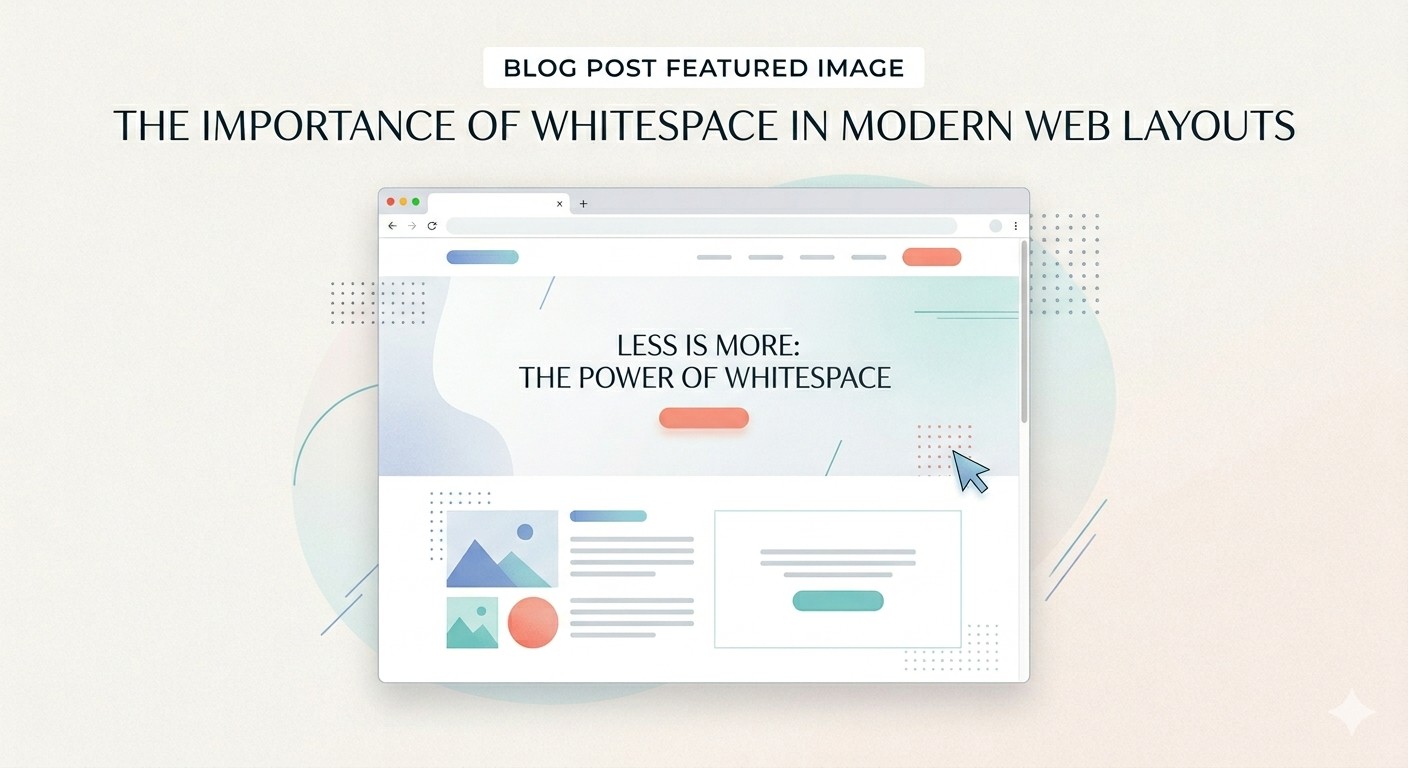
- Use whitespace to improve readability
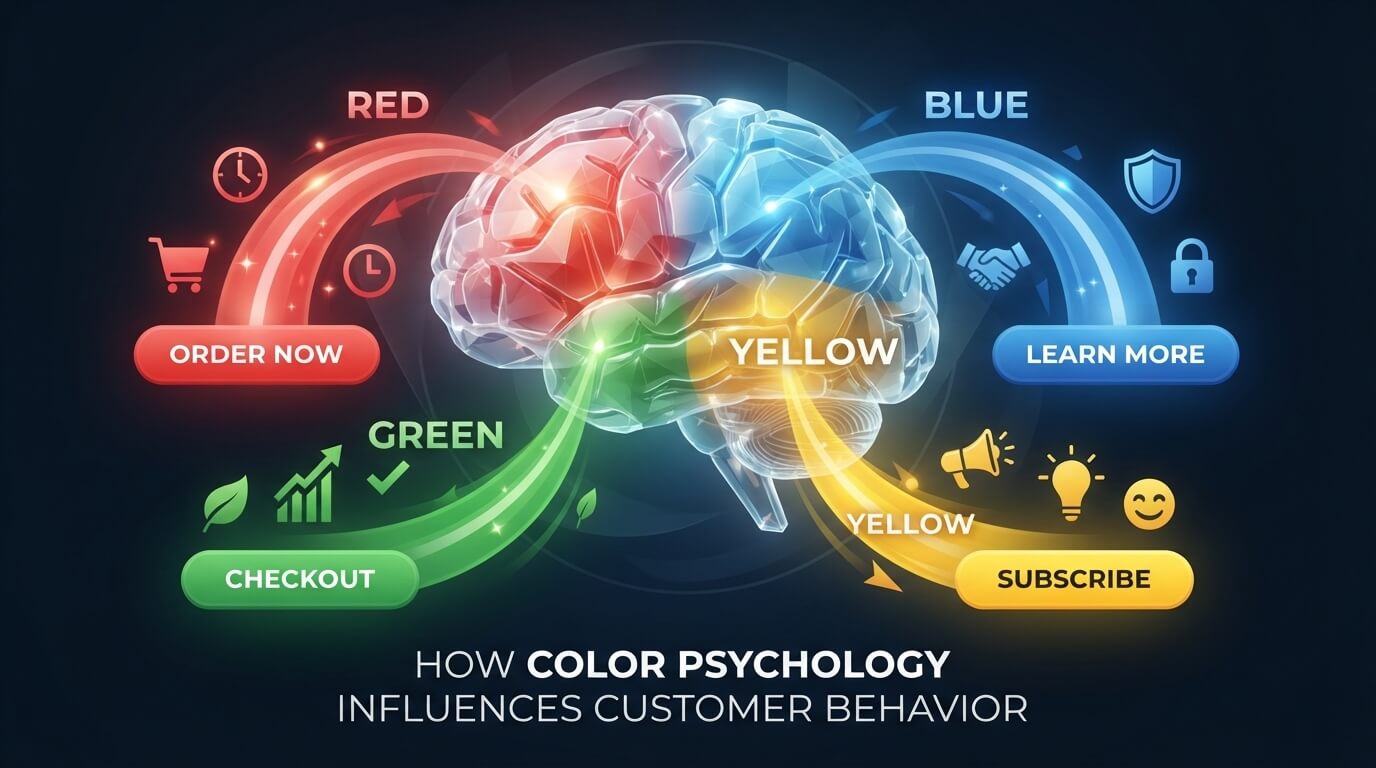
- Limit font styles and color palettes
- Create clear calls-to-action
- Break complex tasks into smaller steps
Simple design isn’t boring — it’s intentional and effective.
3. Consistency Builds Confidence
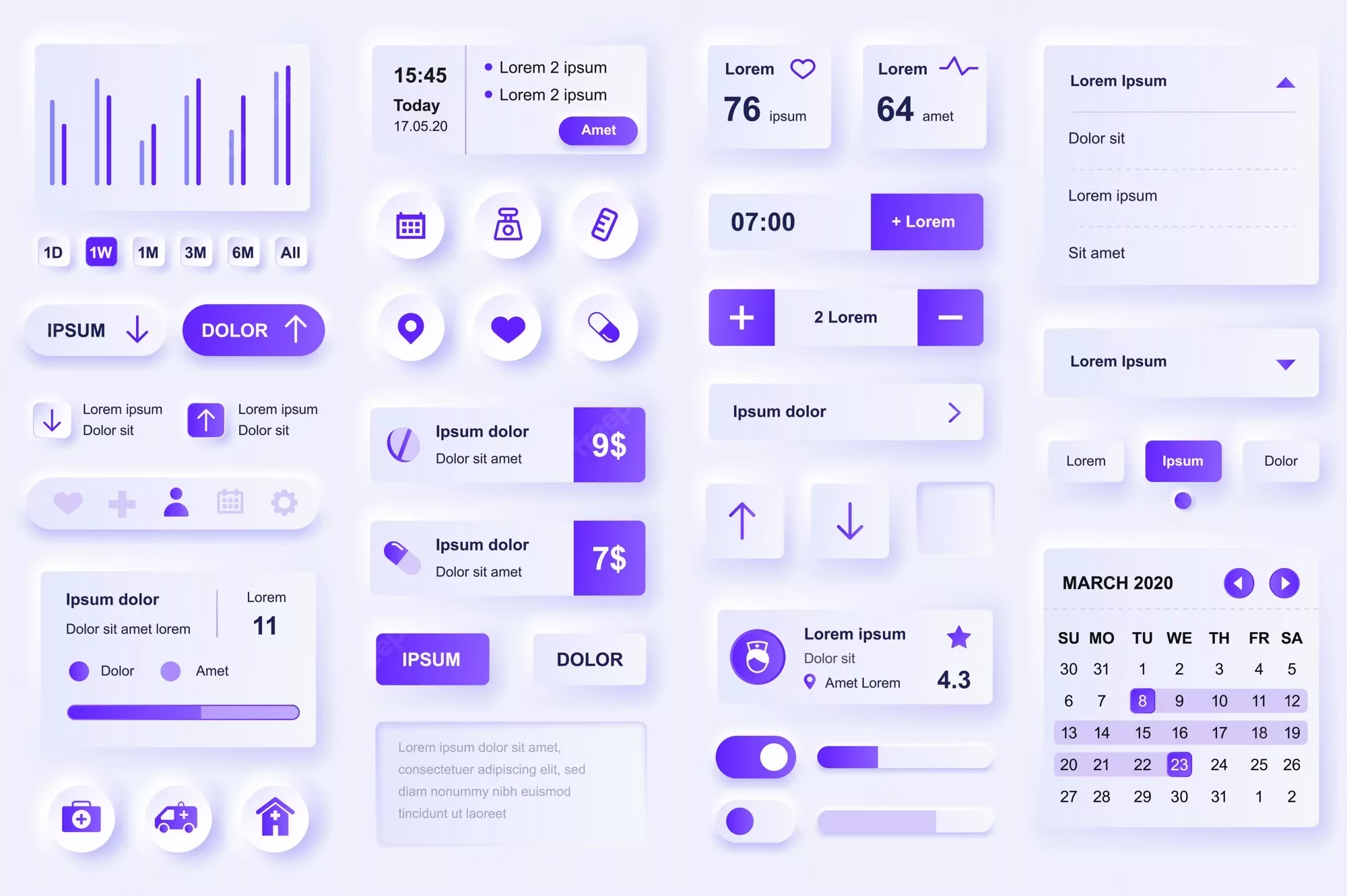
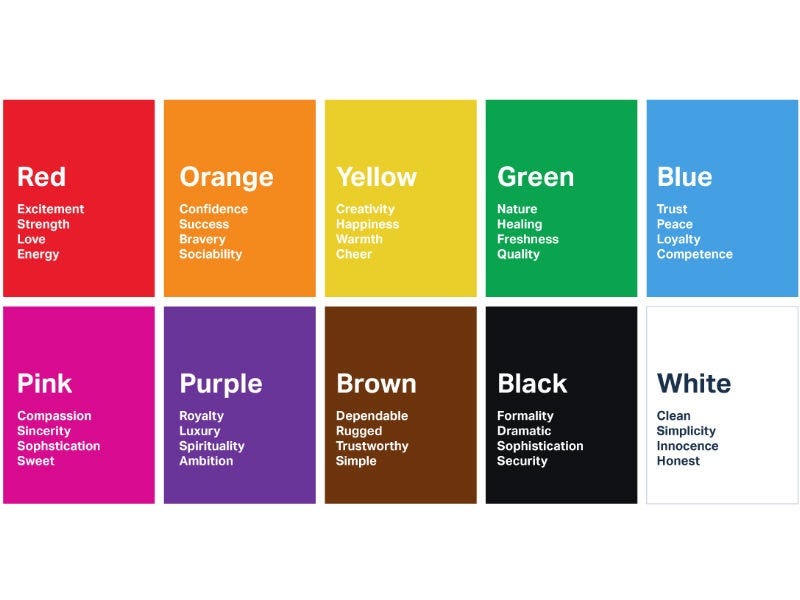
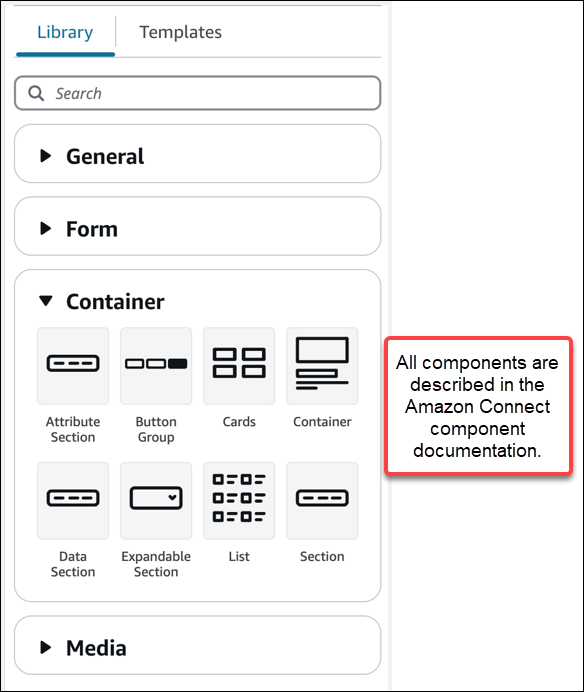
Consistency allows users to feel comfortable and confident as they navigate your product. When buttons, colors, and interactions behave the same way throughout an interface, users spend less time learning and more time completing tasks.
Maintain consistency through:
- Design systems
- Component libraries
- Typography standards
- Color rules
- Reusable interaction patterns
Consistency creates a reliable framework that supports scalable growth — not creative limitations.
4. Visual Hierarchy Guides User Behavior
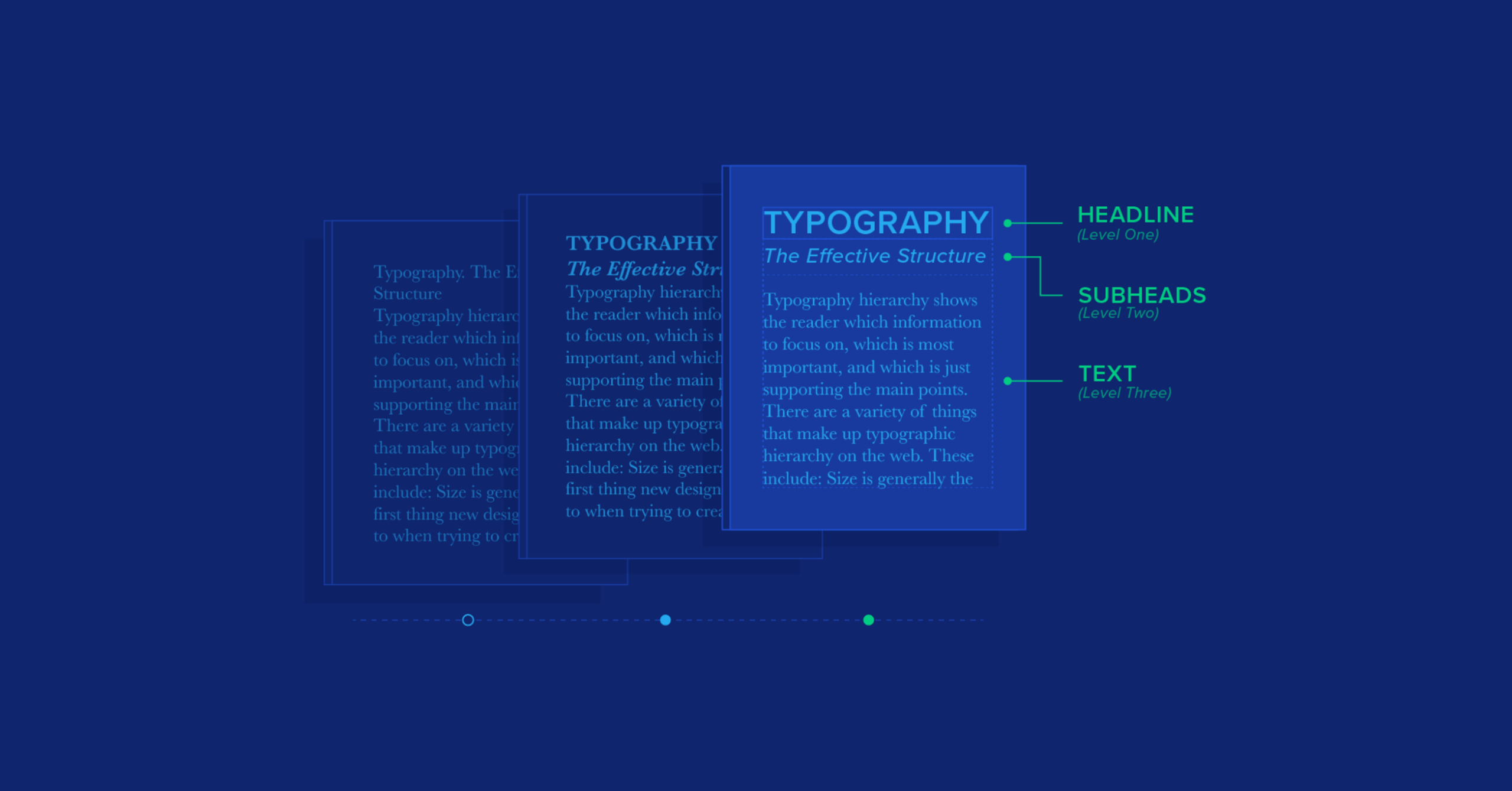
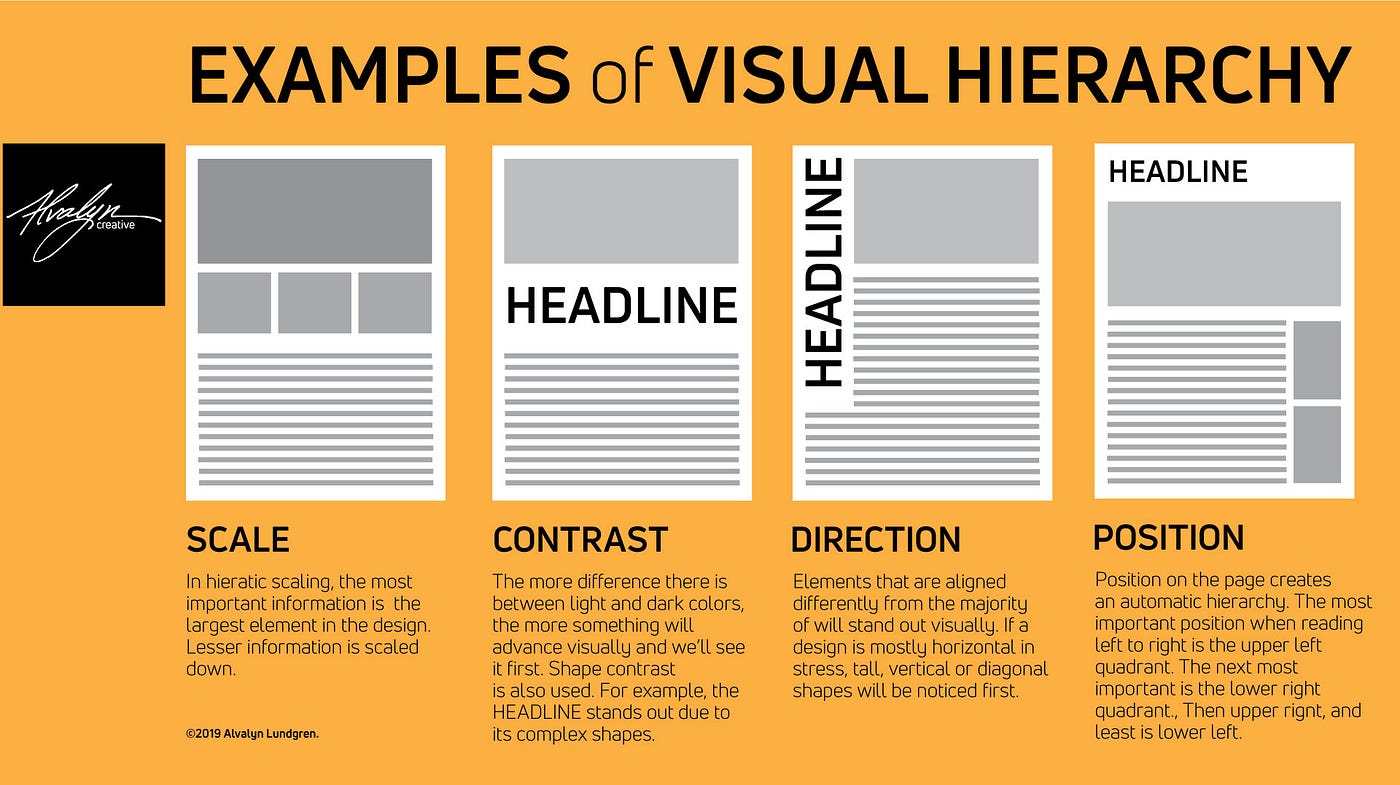
Users don’t read digital interfaces — they scan them.
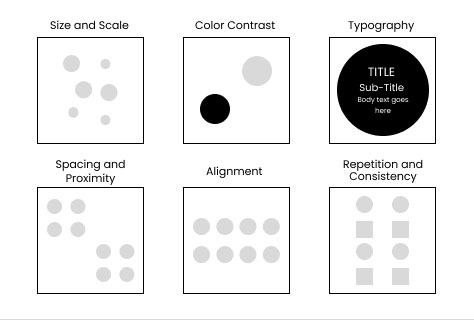
Visual hierarchy directs attention using size, contrast, spacing, and placement so users naturally understand what matters most.
Effective hierarchy includes:
- Clear, prominent headlines
- High-contrast primary buttons
- Supporting content that doesn’t compete for attention
If everything looks important, nothing feels important.
5. Accessibility Is Not Optional
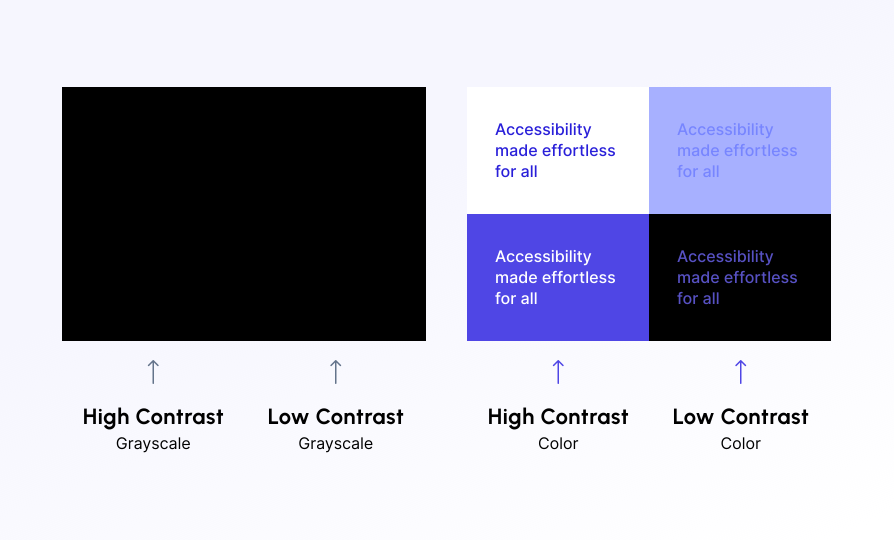
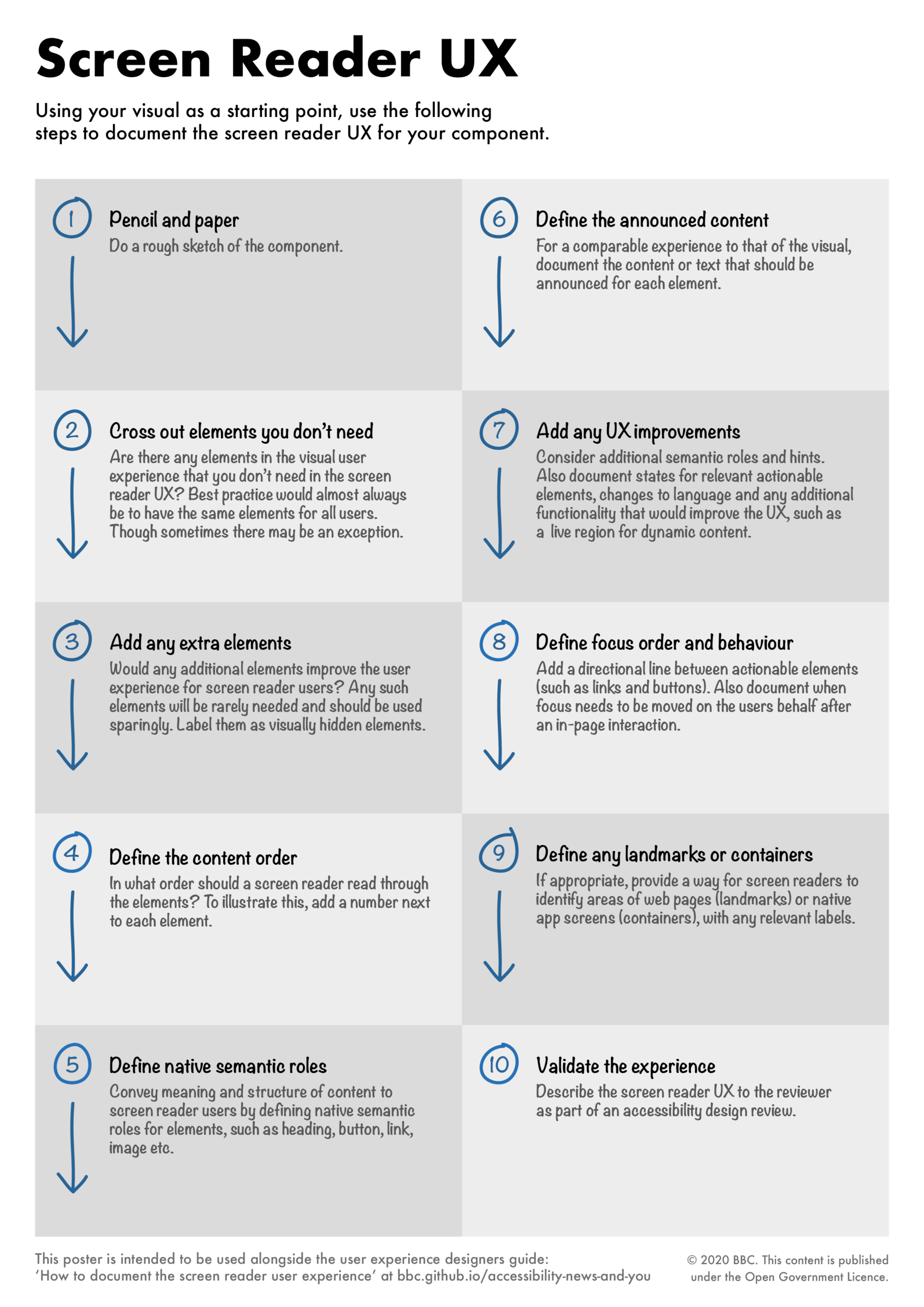
Great UX/UI design works for everyone, including users with visual, cognitive, or motor impairments.
Accessibility is no longer a “nice-to-have.” In many regions, it’s a legal requirement — and everywhere, it’s a smart business move.
Design with accessibility in mind by:
- Using strong color contrast
- Choosing readable font sizes
- Supporting keyboard navigation
- Adding alt text to images
- Writing clear labels and instructions
Accessible design improves usability for all users, not just those with disabilities.
6. Feedback Creates Better Interactions
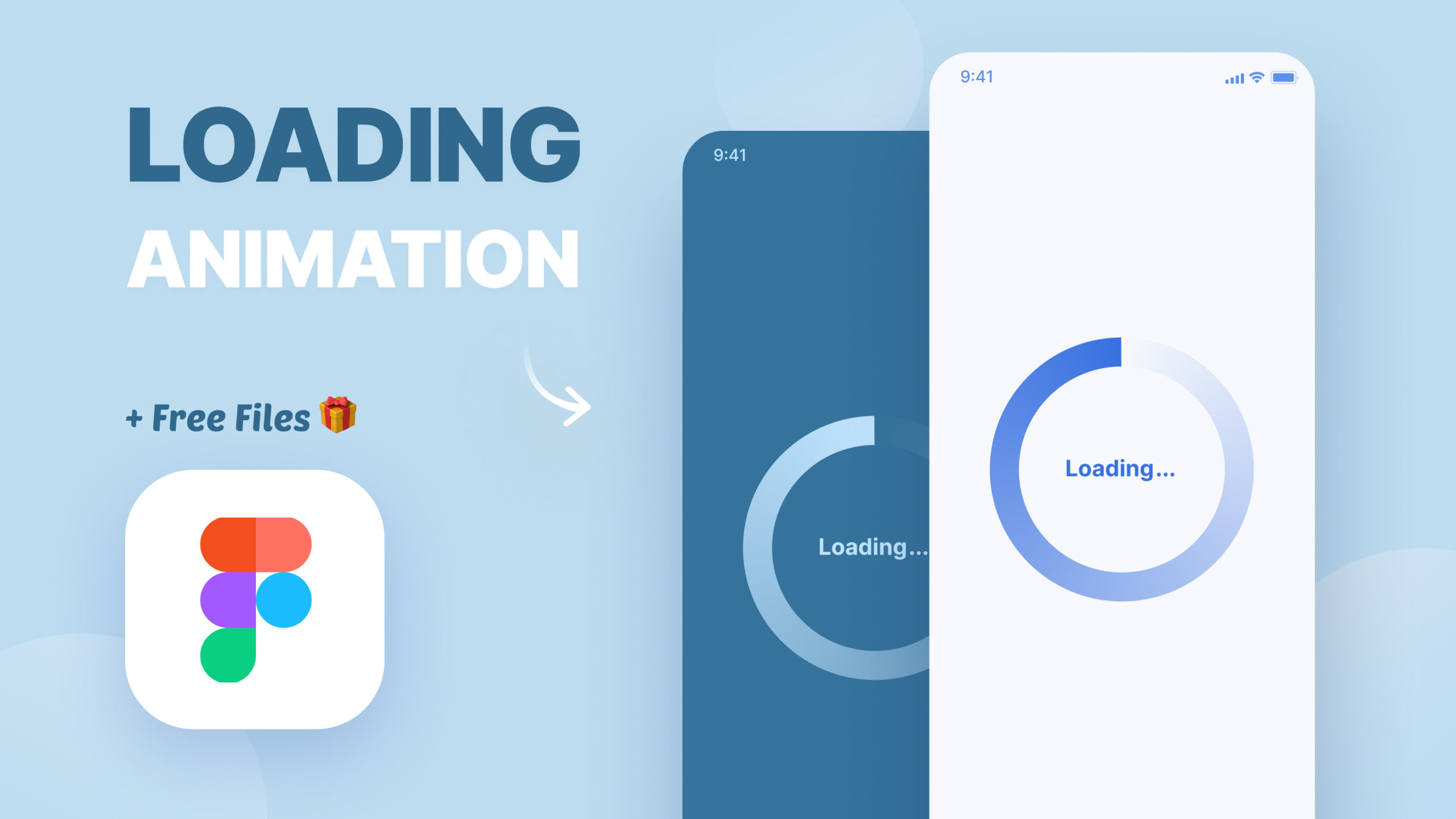

Users should never wonder whether their action worked.
Microinteractions like button animations, progress indicators, and success messages provide reassurance and improve perceived performance.
Examples of effective feedback:
- Buttons that respond visually when clicked
- Progress bars during uploads
- Confirmation messages after form submissions
These small details significantly increase trust and satisfaction.
7. Design for Scalability
As products grow, design complexity increases. What works for a startup MVP may struggle as features expand without a scalable framework.
Forward-thinking design teams plan for growth from the start.
Design for scalability by:
- Creating reusable components
- Documenting design standards
- Building flexible layouts
- Collaborating closely with developers
Scalable design reduces technical debt and keeps experiences consistent over time.
Final Thoughts
Exceptional UX/UI design isn’t about chasing trends — it’s about mastering the fundamentals that consistently deliver value.
When design teams focus on users, simplify interfaces, maintain consistency, guide attention, prioritize accessibility, provide feedback, and plan for growth, they create experiences people genuinely enjoy.
In a competitive digital landscape, great design is more than a visual advantage — it’s a strategic one.