A website redesign is a lot like a home renovation: it’s exciting to imagine the new backsplash, but if you don’t check the plumbing first, you’re just tiling over a disaster.
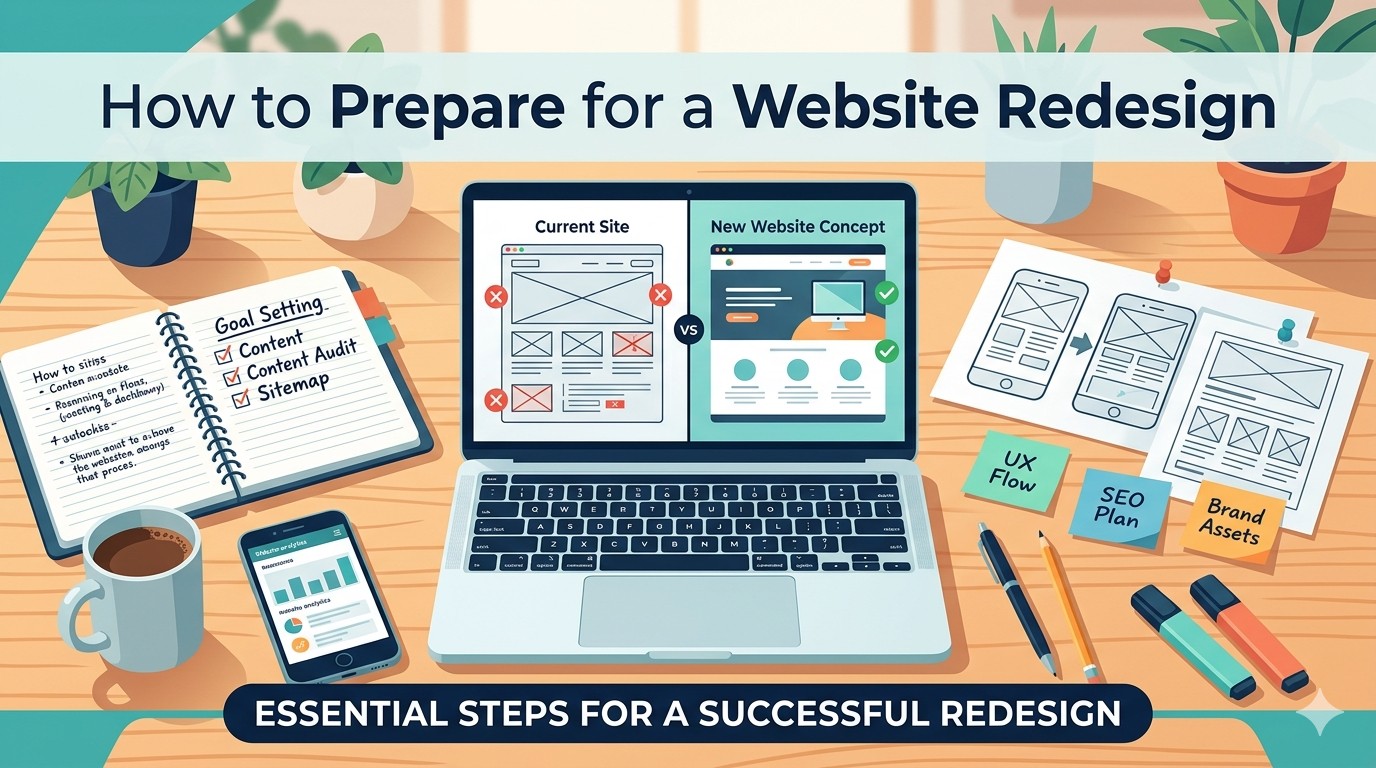
Whether your current site looks like a 2005 GeoCities relic or it’s simply failing to convert visitors into customers, a successful redesign requires more than just a fresh coat of CSS. Here is how to prepare for the process without losing your mind or your SEO rankings.
1. Define Your “Why”
Before you look at a single color palette, you need to identify the problem you’re trying to solve. “It looks old” is a valid reason, but “Our bounce rate is 65% and the checkout button is invisible on mobile” is a target.
Ask yourself:
- What are the top three goals (e.g., more leads, faster load times, better brand alignment)?
- Who is the primary audience, and has that audience changed since the last build?
- What is the one action you want every visitor to take?
2. Conduct a Content & Performance Audit
Don’t move your old junk into a new house. Use this opportunity to purge. Look at your analytics to see which pages are actually performing and which are digital ghosts.
| Metric to Check | Why it Matters |
| High-Traffic Pages | These are your “crown jewels.” They need the most care during a migration. |
| Bounce Rate | High bounce rates usually signal a UX issue or slow load times. |
| Conversion Rate | If a page gets traffic but no clicks, the messaging or CTA is broken. |
| SEO Keywords | Identify which keywords are currently driving traffic so you don’t accidentally delete them. |
3. Map Out the User Journey
A website shouldn’t be a maze; it should be a guided tour. Think about the path a user takes from the landing page to the final “Thank You” screen.
- Sitemap: Visualize the hierarchy of your pages. Keep it shallow users shouldn’t have to click more than three times to find what they need.
- Wireframes: Before the “pretty” design happens, look at the skeletal structure. Does the layout prioritize the most important information?
4. Gather Your Assets (and Your Team)
Designers and developers can’t work in a vacuum. To keep the project on track, have your “must-haves” ready to go:
- Brand Guidelines: High-res logos, official fonts, and color hex codes.
- Imagery: Professional photography or a curated library of stock images.
- Copy: Start writing early. Design often breaks when “real” text is longer or shorter than the Lorem Ipsum placeholders.
Pro Tip: Never launch on a Friday. If something breaks and in web dev, something usually does you don’t want to spend your Saturday morning debugging a 404 error while your developer is off the grid.
5. Plan for the “Technical Handover”
A redesign is the most common time for businesses to lose their Google rankings. Ensure your plan includes:
- 301 Redirects: If your URL structure changes (e.g., from
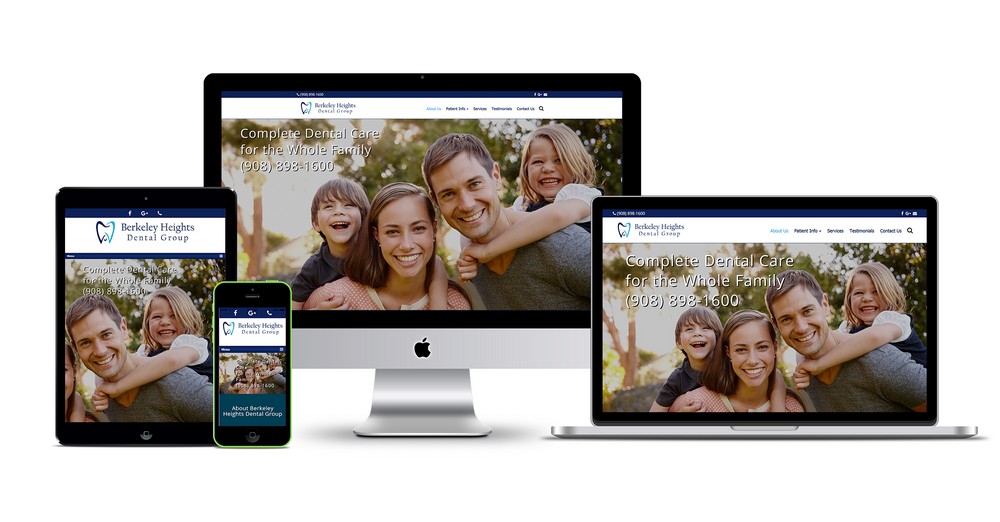
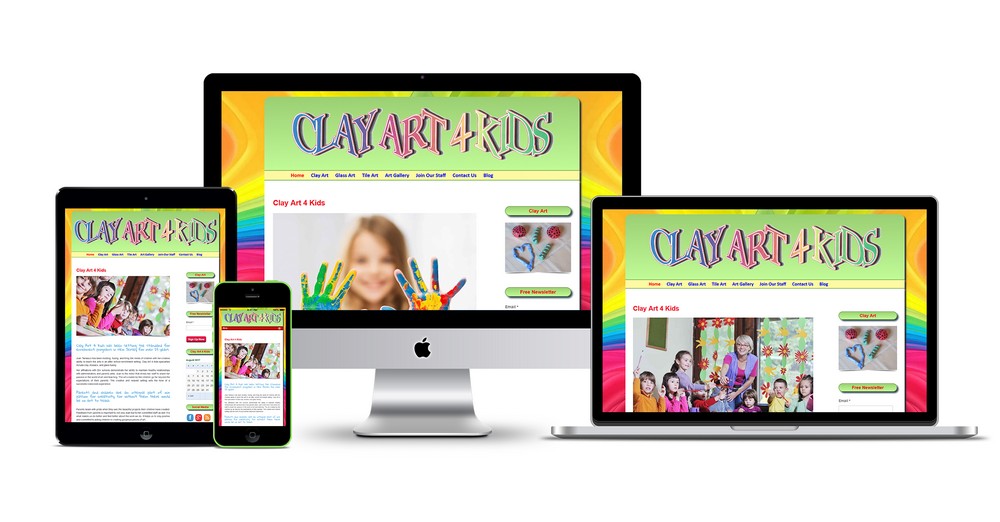
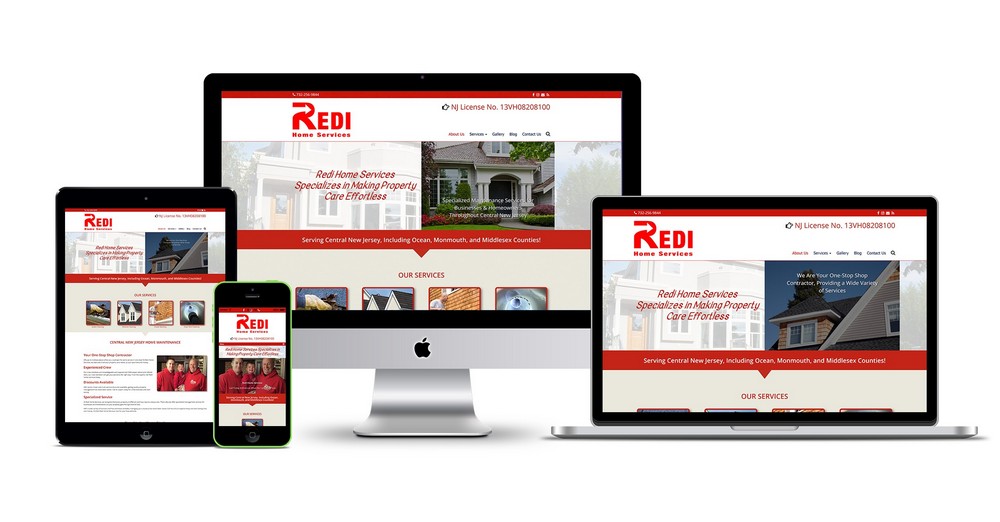
/about-usto/about), you must tell search engines where the old page went. - Mobile Responsiveness: This isn’t optional. Your site must be as functional on a smartphone as it is on a 27-inch monitor.
- Security: Ensure your SSL certificates and hosting are ready for the transition.
The Finish Line
A redesign isn’t a “set it and forget it” project. It’s an evolution. By doing the heavy lifting during the preparation phase, you ensure that your new site isn’t just a pretty face it’s a high-performing engine for your brand.