Imagine spending thousands of dollars on highly targeted digital marketing campaigns, successfully driving hundreds of eager visitors to your website every single day—only to watch them vanish into thin air without making a single purchase or filling out a single contact form. Your traffic is soaring, but your revenue is stagnant.
Where is the leak? More often than not, the culprit isn’t your marketing budget, your product quality, or your pricing model. The bottleneck is your web design.
For small businesses and entrepreneurs, a website is no longer a simple digital brochure; it is the ultimate engine of your sales funnel. In this comprehensive guide, we will break down the authoritative data and psychological principles behind how professional web design impacts conversion rates, exploring how strategic adjustments to your layout, speed, and user experience directly dictate your bottom line.
The Psychology of First Impressions and Digital Credibility
In the digital realm, trust is built in milliseconds. Before a consumer reads a single line of your copy or evaluates your customer reviews, their brain has already formed an implicit judgment about your business based entirely on visual layout.
First Impressions Form in 50 Milliseconds
Research consistently demonstrates that it takes users approximately 50 milliseconds (0.05 seconds) to form an opinion about your website, determining whether they will stay or bounce. A cluttered layout, outdated font choices, or confusing color schemes signal amateurism. Conversely, a clean, modern aesthetic instantly conveys established authority and security.
Establishing Website Credibility and Trust Signals
Consumer behavior studies reveal that 75% of users admit to making judgments about a company’s overall credibility based solely on its website design. If your layout feels unpolished or neglected, users subconsciously transfer that impression to your physical services or products. Professional design incorporates essential trust indicators—such as cohesive branding, high-resolution original photography, secure payment icons, and structured testimonials—seamlessly into the visual flow to reduce transactional anxiety.
Maximizing User Experience (UX) to Optimize the Conversion Funnel
Driving traffic to a landing page is only half the battle. Once a user arrives, your design must gently guide them toward a specific action, whether that is requesting a quote, booking a consultation, or completing a checkout.
Elimininating Friction with Intuitive Navigation
When prospective customers visit a website, they are looking for immediate answers. If your navigation menu is overly complex or unpredictable, users experience cognitive overload and abandon the site. Professional web design prioritizes an intuitive information hierarchy: clear labels, persistent utility bars, and logical categorization that allow a user to find critical information in three clicks or fewer.
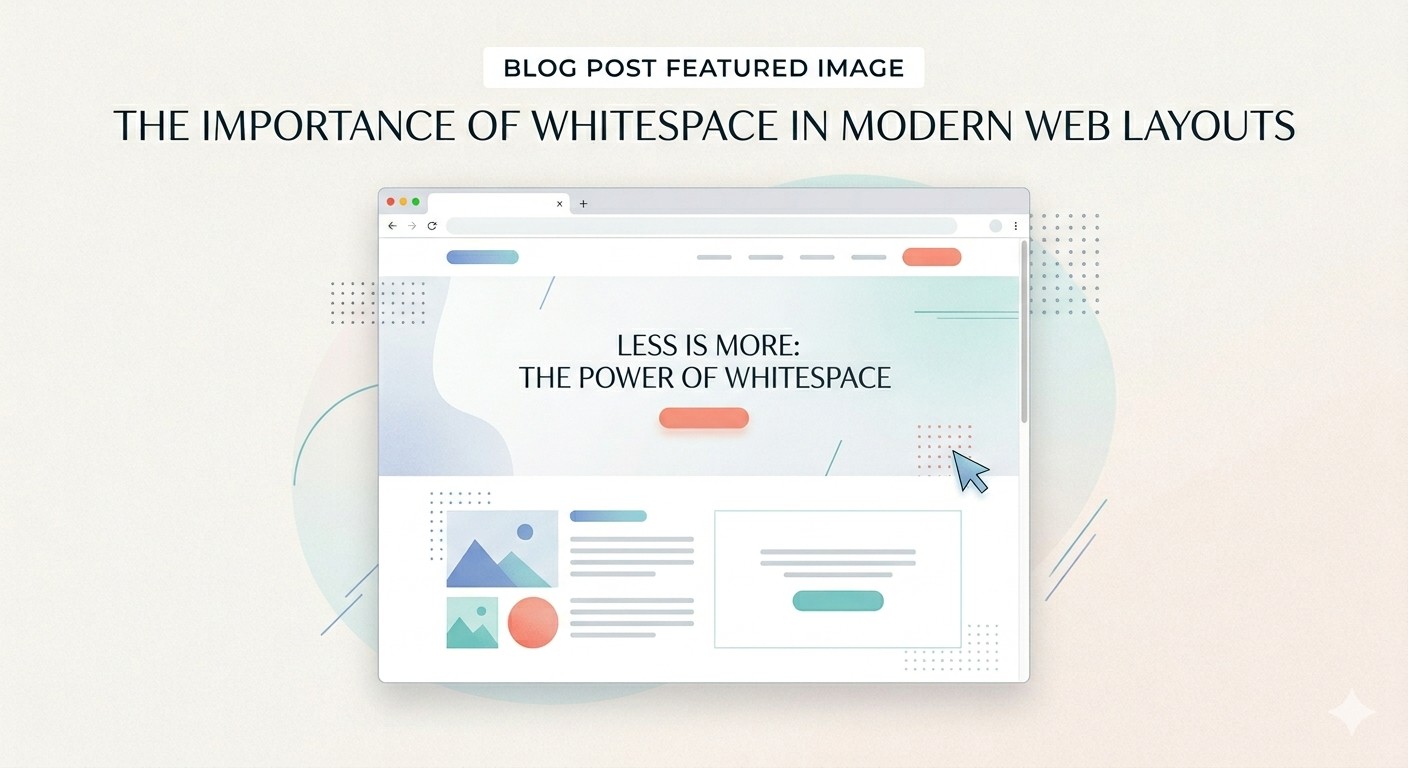
The Paradox of Choice: When small business websites overwhelm users with too many sidebars, competing offers, and chaotic navigation paths, conversion rates plummet. Professional design utilizes whitespace strategically to give your content room to breathe, naturally drawing the user’s eye to what matters most.
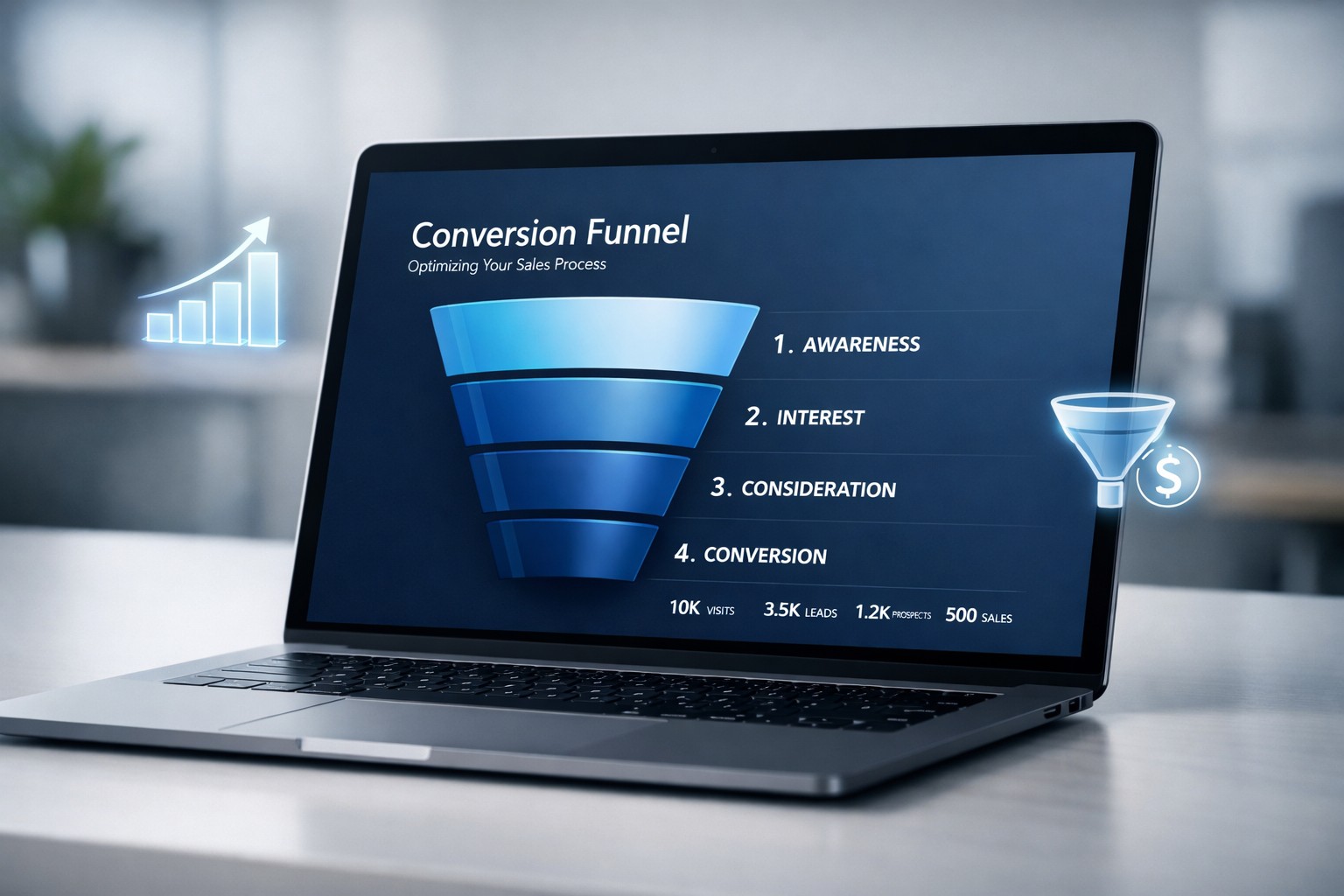
The Power of a Clear and Strategic 4-Stage Conversion Funnel
A high-converting website maps out a deliberate user journey modeled after a highly optimized conversion funnel:
- Awareness: An engaging, benefit-driven header section that immediately answers what you do and who you serve.
- Interest: Highly organized content sections highlighting key pain points and your tailored solutions.
- Desire: Social proof, detailed case studies, and dynamic results that build unquestionable trust.
- Action: Unmissable, visually striking Call-to-Action (CTA) elements that make next steps effortless.
Mobile Responsiveness and Core Web Vitals: The Infrastructure of Conversion
A beautiful website design is useless if it fails to load or renders poorly on a mobile device. Modern web design requires a rigorous technical foundation to survive evolving algorithm updates and shifting user habits.
The Shift to Mobile-First Conversions
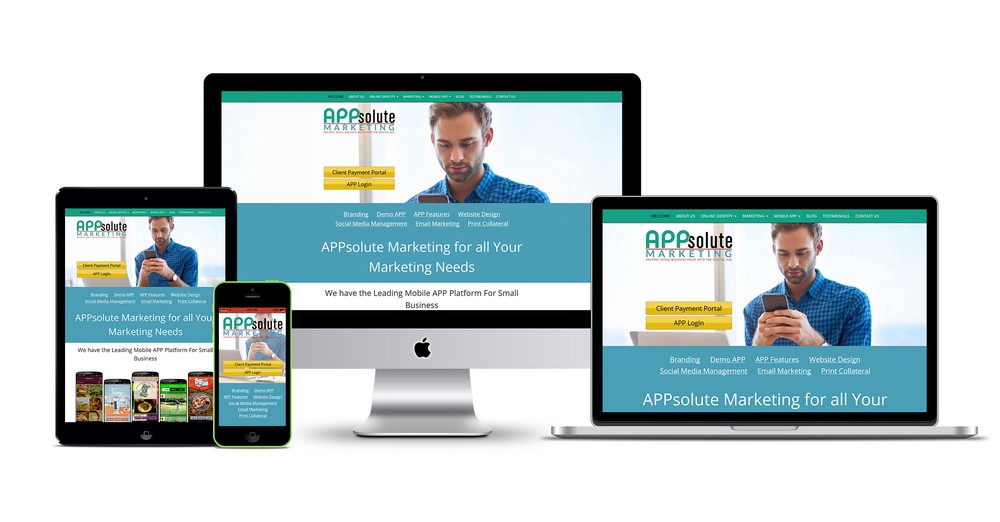
With well over half of global web traffic originating from mobile devices, mobile responsiveness is no longer optional. Mobile users exhibit higher intent and shorter attention spans. If your mobile layout forces users to pinch, zoom, or struggle with misaligned buttons, they will quickly move to a competitor. Responsive design ensures your content layout adapts fluidly across all smartphone screen sizes, optimizing mobile touch targets for effortless conversions.
The Direct Financial Correlation of Page Load Speed
Page speed is a critical, measurable metric within conversion rate optimization. Data indicates that a website that loads in 1 second experiences a conversion rate three times higher than a site that takes 5 seconds to load. Professional developers optimize every graphic asset, clean up underlying script structures, and leverage modern hosting configurations to ensure your site loads instantly, completely eliminating speed-related drop-offs.
Designing High-Converting Call-to-Action (CTA) Elements
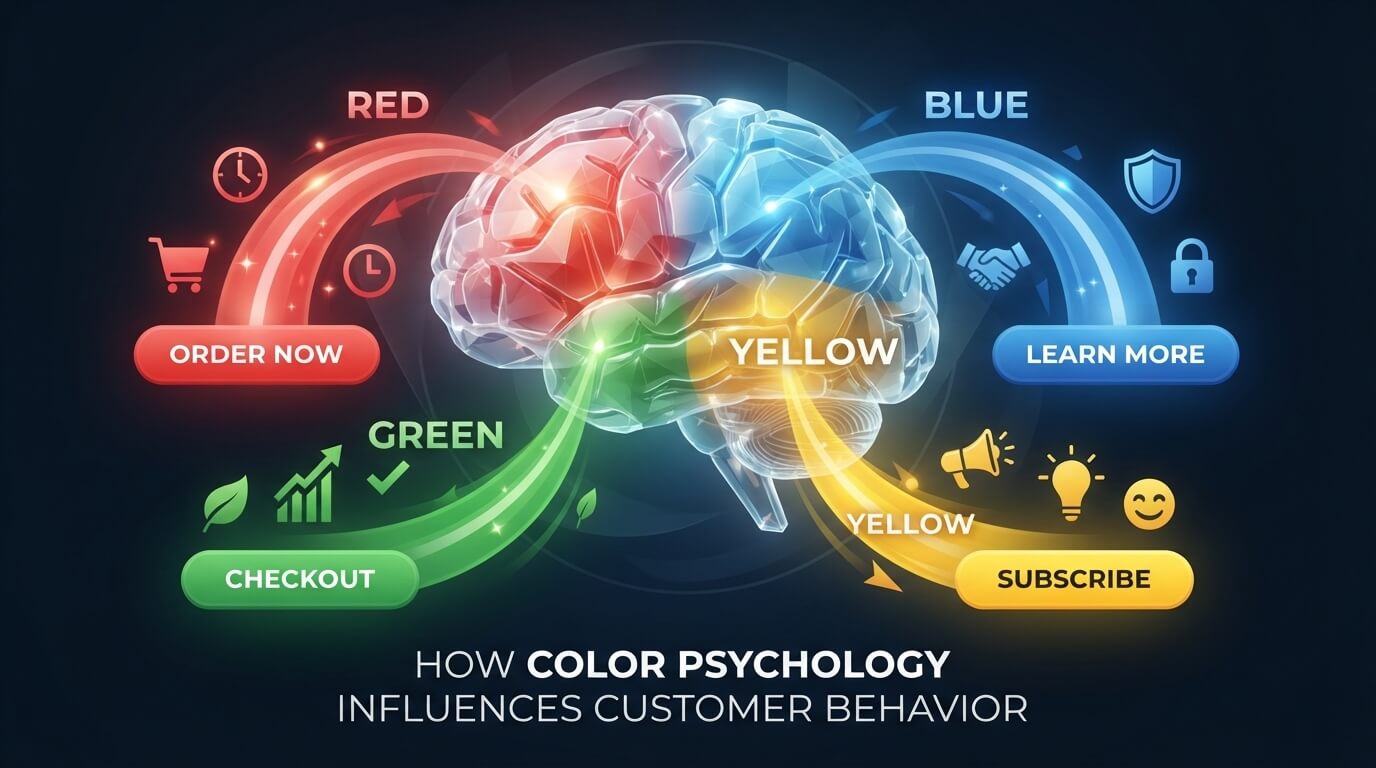
Your conversion rates ultimately hinge on your Call-to-Action buttons. A professional web designer approaches CTAs as a precise science, utilizing color theory, visual hierarchy, and precise spatial placement to drive clicks.
Strategic Visual Hierarchy and Color Contrast
Your primary CTA button should never blend into the background palette of your website. Professional design employs a carefully selected accent color that sharply contrasts with the dominant brand tones, ensuring the conversion button immediately commands visual attention. Furthermore, isolating CTAs with ample whitespace prevents them from getting lost in surrounding text chunks.
Frictionless Form Design for Small Business Leads
Every field you add to a contact or checkout form decreases your conversion probability. High-performing web design utilizes minimalist forms that capture only absolutely necessary details, deploying smart input validation, autofill capabilities, and single-click submit parameters to make final actions as frictionless as possible.
The Return on Investment (ROI) of Strategic Web Design
Viewed superficially, web design might look like an aesthetic expense. Analyzed strategically, it represents an incredibly high-leverage investment in your business infrastructure.
If your current unoptimized website converts 1% of its traffic into leads, a professional redesign that safely bumps that metric to 3% effectively triples your business revenue from the exact same volume of traffic. You do not need to spend more money on Google or Meta advertising; you simply maximize the commercial utility of the assets you already possess.
Conclusion: Transforming Digital Traffic into Sustainable Revenue
In today’s hyper-competitive digital marketplace, small businesses and entrepreneurs cannot afford to operate an amateur website. Your design dictates exactly how the market perceives your capability, your value proposition, and your trustworthiness within milliseconds.
By investing in a professional, conversion-centered web layout—built on intuitive UX frameworks, rapid mobile responsiveness, and strong credibility signals—you stop leaking valuable traffic and transform your website into an automated sales generator that works for your business 24/7.