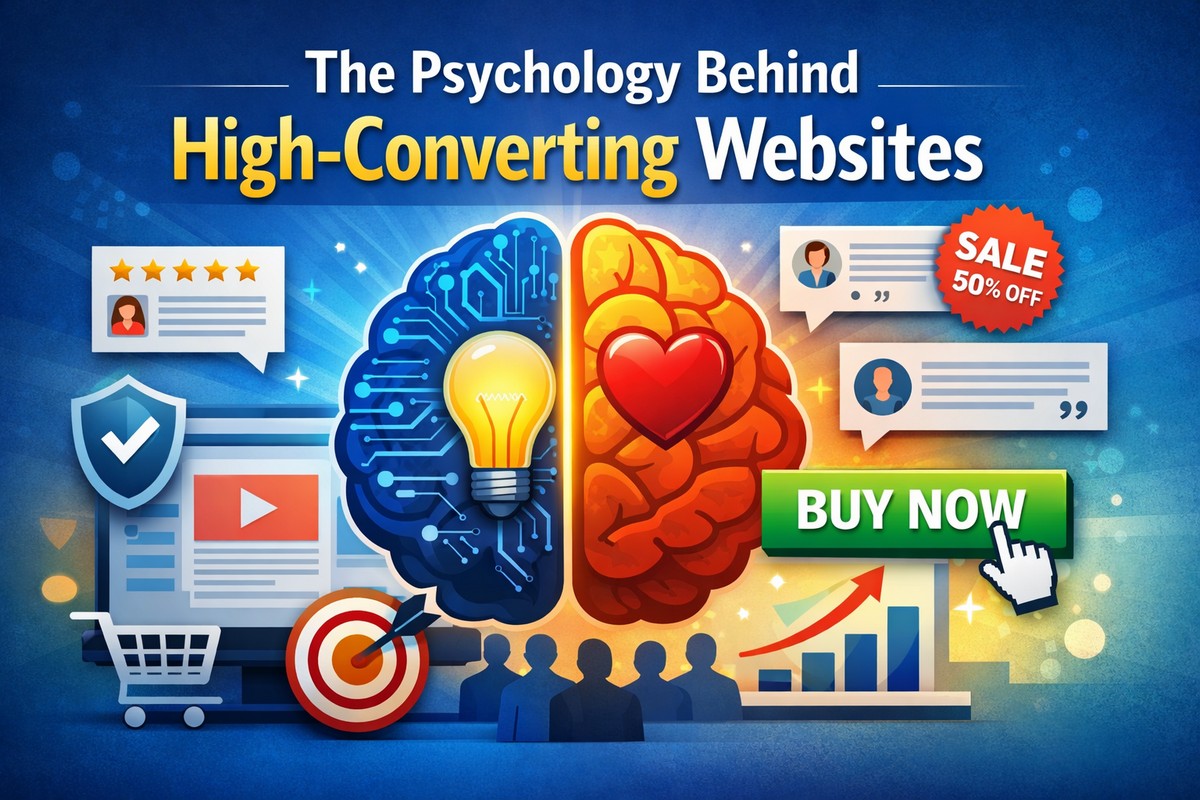
A high-converting website doesn’t happen by accident. While good design and strong messaging are important, the real driver behind conversions is human psychology. Successful websites are built with a deep understanding of how people think, feel, and make decisions online.
When businesses understand the psychological triggers that influence user behavior, they can design experiences that naturally guide visitors toward taking action whether that’s making a purchase, filling out a form, or scheduling a consultation.
In this article, we’ll explore the psychological principles that power high-converting websites and how you can apply them to improve your digital presence.
First Impressions Happen in Seconds
Research shows that visitors form an opinion about a website within a few seconds of landing on it. During this brief moment, users subconsciously evaluate whether the site feels trustworthy, professional, and relevant.
Elements that shape first impressions include:
- Clean, modern design
- Clear messaging and headlines
- Consistent branding
- High-quality images
- Fast page load speeds
If a website feels confusing, outdated, or cluttered, visitors are more likely to leave immediately. On the other hand, a polished and visually appealing design encourages users to stay and explore.
Key takeaway: Design should immediately communicate credibility and professionalism.
The Power of Visual Hierarchy
Visual hierarchy is the arrangement of design elements to guide the viewer’s attention in a logical order. Humans naturally scan web pages rather than reading every word, so your design should make the most important information stand out.
Effective visual hierarchy often includes:
- Large, clear headlines
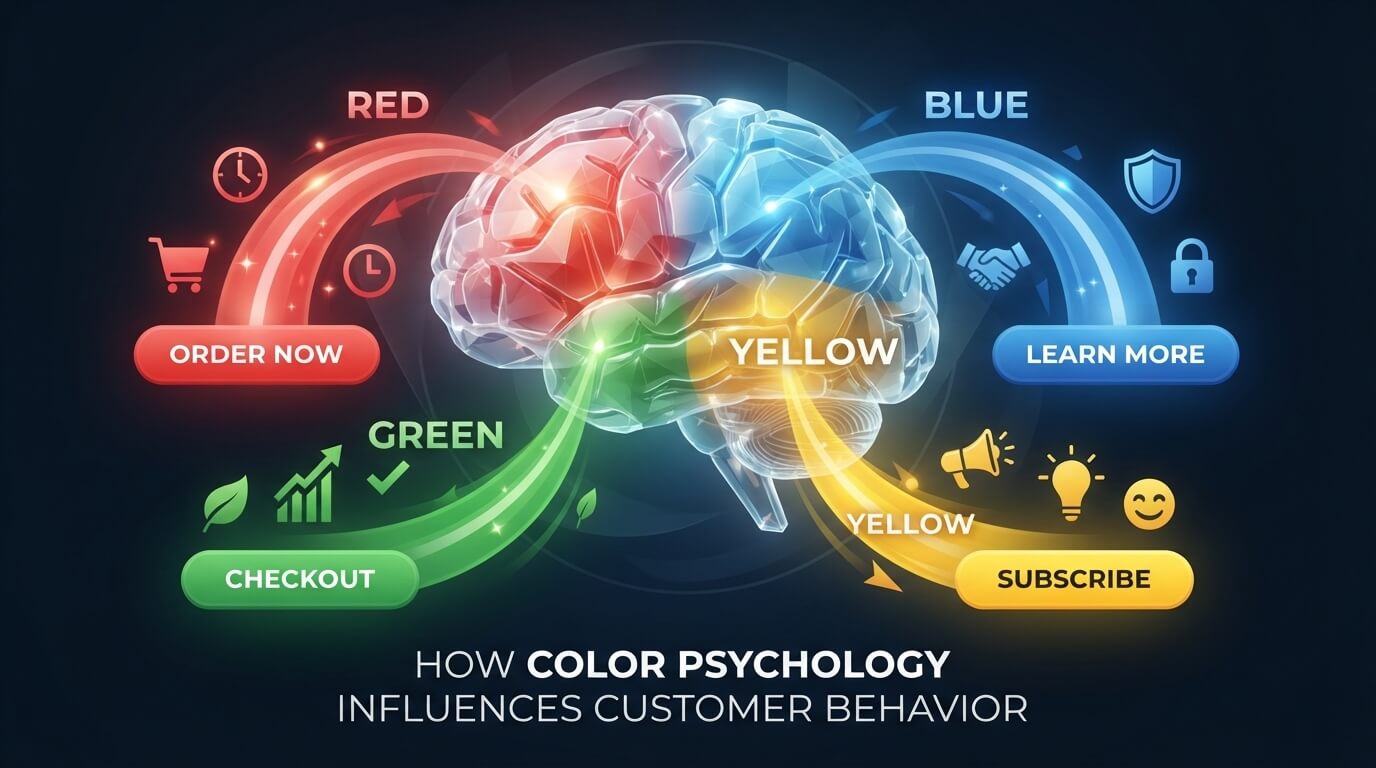
- Bold call-to-action buttons
- Strategic use of color
- Proper spacing and layout
- Readable typography
When users instantly understand where to look and what action to take, the path to conversion becomes much smoother.
Trust Signals Reduce Buyer Anxiety
Online users are cautious. Before committing to a product or service, they want reassurance that the business is legitimate and reliable.
Adding trust signals can dramatically increase conversions. Examples include:
- Customer testimonials and reviews
- Case studies or success stories
- Security badges and certifications
- Clear contact information
- Professional design and branding
These elements reduce uncertainty and help visitors feel confident about moving forward.
Social Proof Influences Decisions
Humans are heavily influenced by the behavior of others. When people see that others trust or use a product or service, they are more likely to follow.
This principle known as social proof is one of the most powerful psychological triggers in marketing.
Ways to incorporate social proof on a website include:
- Customer testimonials
- User reviews
- Client logos
- Case studies
- Usage statistics (e.g., “Trusted by 10,000+ businesses”)
When visitors see that others have already benefited from your services, it lowers hesitation and builds credibility.
Simplicity Reduces Cognitive Load
One of the biggest mistakes businesses make is overloading visitors with too much information.
The human brain prefers simplicity. When users encounter complex layouts, too many options, or long blocks of text, they can feel overwhelmed and leave the site.
High-converting websites focus on:
- Simple navigation
- Clear messaging
- Focused calls-to-action
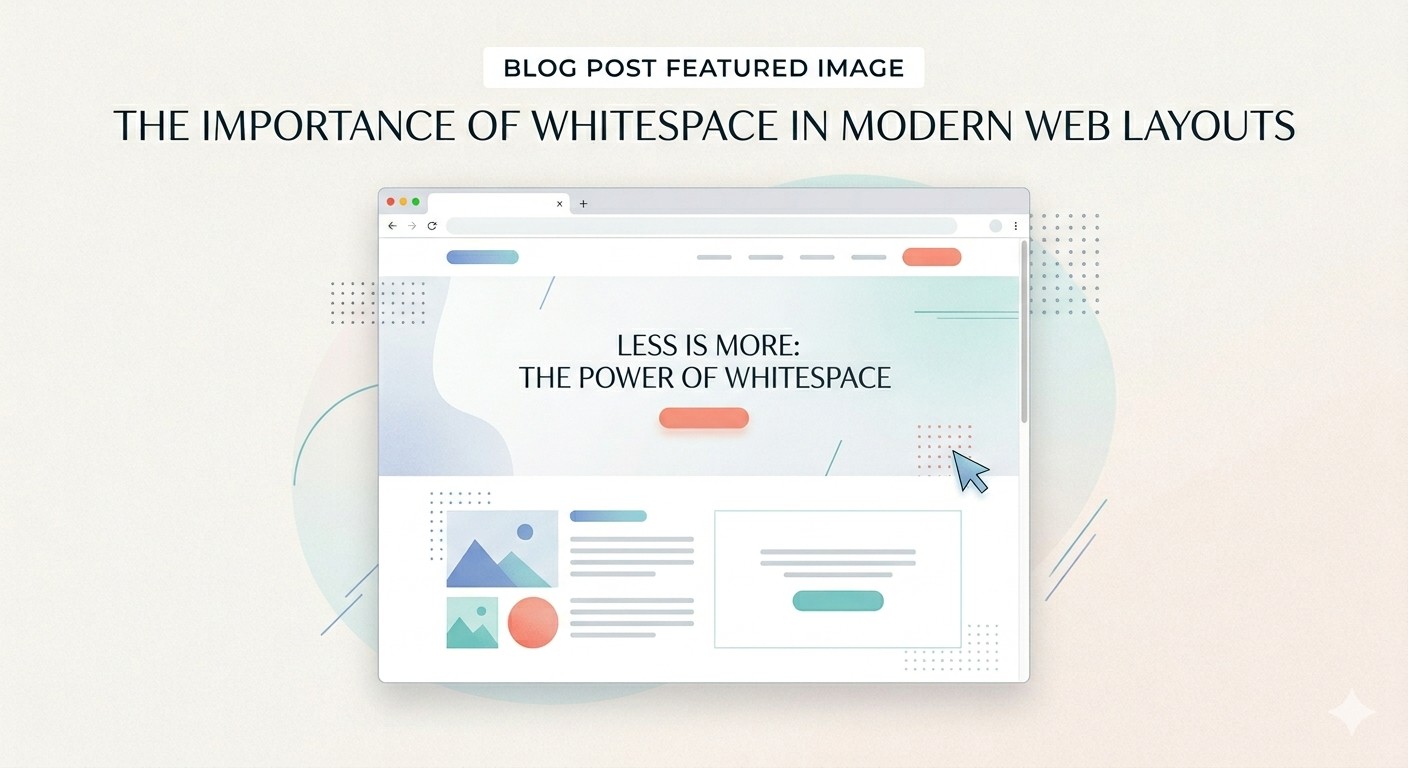
- Clean layouts with plenty of white space
By reducing cognitive load, you make it easier for visitors to understand your offering and take action.
Strategic Calls-to-Action Drive Conversions
A call-to-action (CTA) tells visitors exactly what they should do next. Without a clear CTA, even interested visitors may leave without converting.
Effective CTAs share several characteristics:
- Clear and action-oriented language
- High visual contrast
- Strategic placement throughout the page
- Focus on value to the user
Examples include:
- “Get a Free Quote”
- “Schedule a Consultation”
- “Start Your Free Trial”
The goal is to remove uncertainty and make the next step obvious.
Emotional Design Builds Connection
People often believe they make rational decisions, but psychology shows that emotion plays a major role in decision-making.
Websites that connect emotionally with their audience tend to perform better.
You can create emotional engagement by using:
- Authentic brand storytelling
- Relatable imagery
- Clear value propositions
- Messaging that speaks to customer pain points
When visitors feel understood and connected to a brand, they are far more likely to convert.
The Role of Consistency and Branding
Consistency across design elements builds familiarity and reinforces trust.
High-converting websites maintain consistency in:
- Colors and typography
- Voice and tone
- Visual style
- Messaging
- Navigation structure
Strong branding makes a website more memorable and reinforces the perception of professionalism.
Data and Testing Improve Results
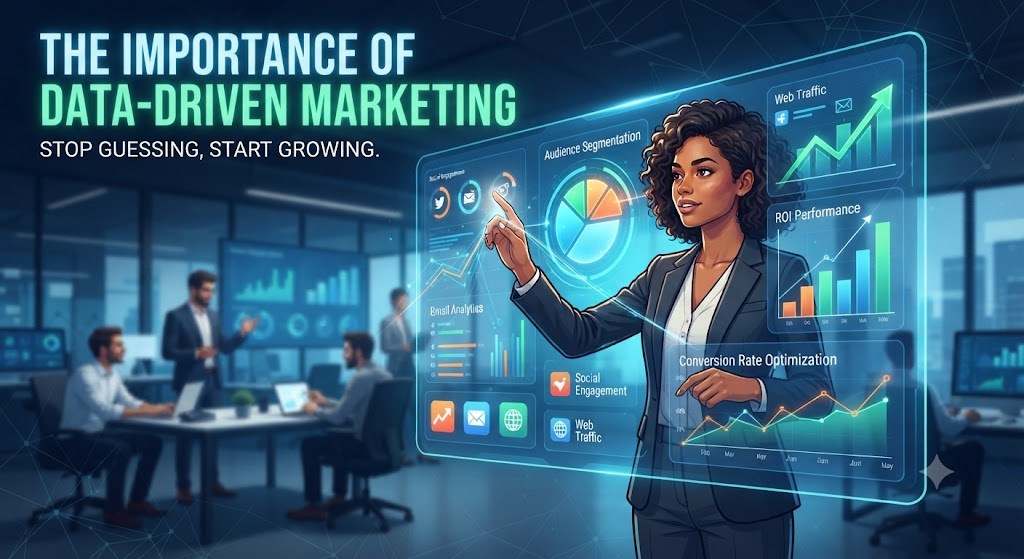
Even with strong psychological principles in place, the most effective websites are continuously refined through data and testing.
Techniques such as A/B testing allow businesses to compare different variations of pages, headlines, layouts, or CTAs to see what performs best.
Small improvements can often lead to significant gains in conversion rates.
Final Thoughts
The most successful websites combine great design with a deep understanding of human psychology. By focusing on how users think, feel, and behave online, businesses can create digital experiences that naturally guide visitors toward action.
From building trust and leveraging social proof to simplifying navigation and creating emotional connections, psychological principles play a critical role in turning website visitors into customers.
Businesses that prioritize these elements don’t just create attractive websites they build high performing platforms that support long term growth.