In the early days of advertising, marketing was often a game of intuition. Brands would craft a creative campaign, launch it into the world, and hope it resonated with their target audience. While some of these efforts struck gold, much of the budget was spent blindly, with no clear way to measure the direct impact on revenue.
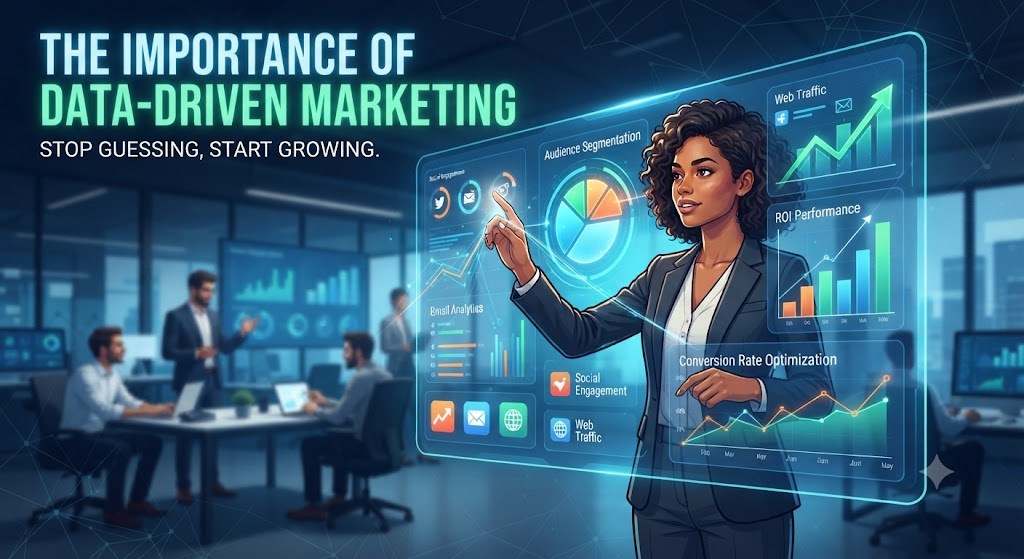
Today, that era is firmly in the rearview mirror. We live in the age of data-driven marketing—a strategy that replaces “gut feelings” with cold, hard evidence to drive decision-making.
What is Data-Driven Marketing?
Data-driven marketing is the process of collecting, analyzing, and acting upon information about your customers’ behaviors, preferences, and interactions with your brand. Instead of guessing what your audience wants, you use data to understand exactly what they need, when they need it, and how they prefer to receive it.
The Strategic Advantages
Transitioning to a data-first approach offers several transformative benefits for businesses of all sizes:
- Precision Targeting: Data allows you to segment your audience into granular groups. You can deliver hyper-personalized content to the right people at the right time, rather than casting a wide, inefficient net.
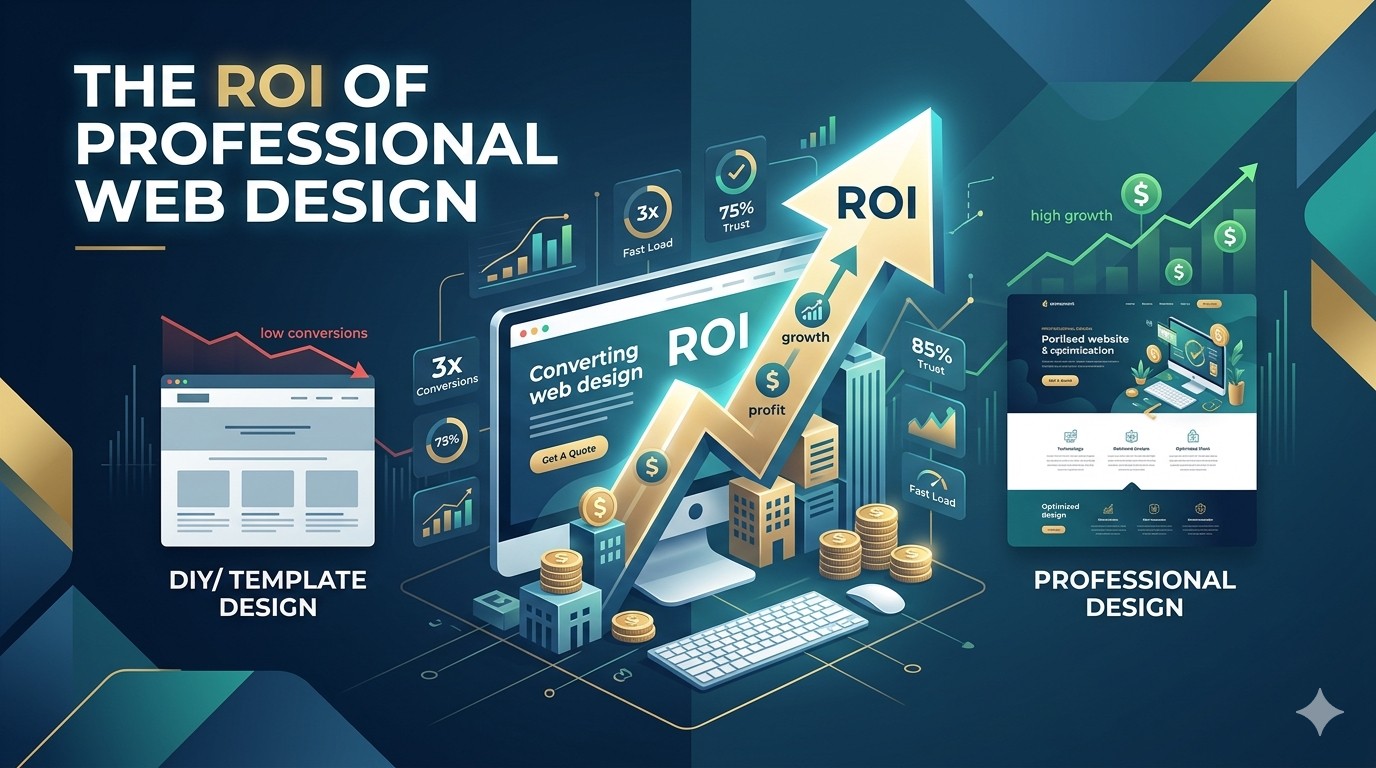
- Improved ROI: By tracking key performance indicators (KPIs) like Cost Per Acquisition (CPA) and Return on Ad Spend (ROAS), you can quickly identify which channels are working and which are draining your budget, allowing for real-time optimization.
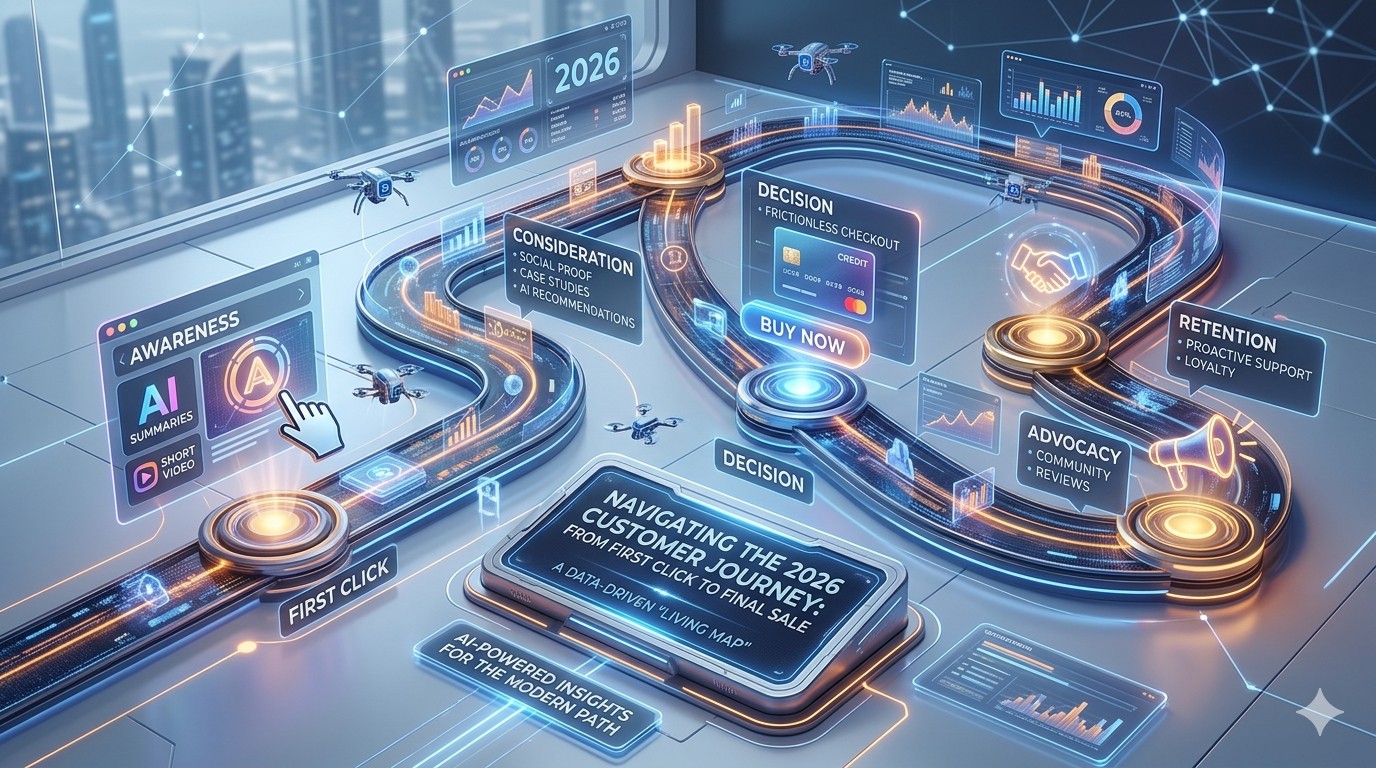
- Enhanced Customer Experience: When you understand a customer’s journey—from their first click to their final purchase—you can remove friction points, offer relevant recommendations, and foster long-term loyalty.
- Predictive Power: Advanced analytics don’t just tell you what happened yesterday; they help you forecast future trends. You can anticipate market shifts, seasonal demand, and changes in consumer behavior before they happen.
Implementing a Data-Driven Mindset
You don’t need to be a data scientist to get started, but you do need to commit to the process. Here is how to begin:
| Step | Action Item |
| 1. Define Goals | Establish clear objectives (e.g., increasing website traffic, improving conversion rates). |
| 2. Collect Data | Utilize tools like Google Analytics, CRM software, and social media insights to gather user data. |
| 3. Analyze Trends | Look for patterns. Ask: Who is converting? Where are they coming from? What content keeps them engaged? |
| 4. Experiment | Use A/B testing to refine your messages, landing pages, and email campaigns based on your findings. |
| 5. Iterate | Treat every campaign as a learning opportunity. Adjust your strategy based on the data, not your assumptions. |
A Note on Responsibility: Privacy First
As we leverage data to build better experiences, we must prioritize customer trust. Data-driven marketing is only sustainable when it is ethical. Always ensure your data collection practices are transparent and compliant with regulations like GDPR or CCPA. Respecting consumer privacy isn’t just a legal requirement—it’s a competitive advantage that builds lasting brand authority.
The Bottom Line
Data-driven marketing is not about removing creativity; it is about providing creativity with a compass. By anchoring your marketing efforts in data, you stop guessing and start growing. In a world where consumer attention is the most valuable commodity, data is the key to capturing it effectively and efficiently.